In today’s hyper-connected world, where digital platforms dominate both commerce and communication, understanding the fundamentals of platform strategy has never been more crucial. Enter “The Business of Platforms: Strategy in the age of Digital Competition, Innovation, and Power – the Essential Economics and Management Guide for Tech Entrepreneurs.” Authored by a trio of seasoned experts, this book serves as a thorough guide to navigating the complexities of the platform economy.
As we delve into our review, we will explore how Cusumano, Gawer, and Yoffie illuminate the principles that have transformed a select few companies-like Amazon, Apple, Microsoft, Facebook, and Google-into trillion-dollar leviathans. This essential read not only equips managers and entrepreneurs with strategic insights but also challenges us to rethink the balance of power in this new economic landscape.
Join us as we share our firsthand experience with this critically important text, examining its key themes, practical applications, and the role it plays in shaping the future of business in an increasingly platform-driven world. Whether you’re a tech entrepreneur, a steadfast business leader, or a curious reader, “The Business of platforms” promises to offer valuable perspectives that resonate across industries and sectors. Let’s embark on this journey together, unpacking the economic and technological forces that underpin our modern digital reality.
Table of Contents
Overview of Our Journey into the World of Platforms

As we venture into the realm of platforms, it’s essential to grasp the nuances behind their emergence and importance in today’s digital economy. The book we’re diving into serves as an excellent guide on this journey. We’re talking about practical insights and deep dives into the workings of platforms that have transformed industries. The Business of Platforms explores these transformations and offers a clear lens into what makes some platforms thrive while others falter.
This insightful work presents a comprehensive examination of the principles that govern the success of platform businesses. It demonstrates how companies like Amazon, Apple, and Facebook have disrupted older business models. By uncovering their strategies, we understand not just their market impact but also the broader implications for competition and innovation. The authors bring their extensive experience to the table, making complex concepts accessible for readers at any level of expertise.
What’s especially striking is how the authors address the obligation that comes with the power of platform ownership. As companies scale from small startups to giants, the need for ethical considerations grows. We appreciate the balanced approach taken in discussing both the empowering and possibly concerning aspects of platform dominance. This book isn’t just for business owners but for anyone curious about how modern economies are evolving.
Moreover, it dives deep into the foundational elements of platform strategy. As we read about the mechanics that drive these businesses, we find a treasure trove of actionable advice. whether it’s understanding marketplace dynamics or the nuances of user engagement, we’re equipped with the knowledge to navigate the digital economy effectively.
exploring the intricacies of platform business models through this book is a rewarding experience. It invites us to reflect on the changing landscape of commerce and competition. We highly recommend checking it out-it could very well change how you perceive and engage with the digital marketplace.
Key Features That Set This Guide Apart
When we dive into “The Business of Platforms,” we find that it distinguishes itself through its comprehensive exploration of the unique aspects of platform-based businesses. the authors, Cusumano, gawer, and Yoffie, unpack complex concepts with clarity, bringing valuable insights to both beginners and seasoned industry professionals. Their amalgamation of case studies, past context, and practical frameworks provides an all-encompassing understanding of this modern business model. This approach not only informs the reader about platforms but also equips them with the strategic foresight that can be pivotal for future endeavors.One significant feature that sets this guide apart is its rich collection of real-world examples, including companies like Amazon, Apple, and Facebook. We appreciate how the text breaks down the strategies behind these giants’ successes. As an example, the book highlights the competition between Alibaba and eBay, providing a fascinating narrative that illustrates key strategic decisions. We learn not just about their business models but also the cultural and regulatory landscapes that shape their growth. These stories infuse the content with life, making the economic theories relatable and easier to digest.
Additionally, the authors don’t shy away from discussing the challenges that platforms face, such as ethical considerations and market dominance concerns. By addressing these controversial aspects, the guide encourages us to think critically about the implications of platform businesses. This rigorous examination of market dynamics empowers us to better navigate the landscape, whether we’re entrepreneurs launching our platforms or investors scouting for viable opportunities. Importantly, this candid approach serves as a reminder that with grate power comes great responsibility-a significant takeaway as we engage with these influential entities.
in our exploration of the features of this guide, we find that it’s not just about imparting knowledge; it’s about fostering a deeper understanding of the responsibilities that come with creating and managing platforms. The text touches on the moral and ethical obligations of these tech titans as they shape the future. This aspect resonates deeply with us,emphasizing that prosperous platform businesses must balance innovation and societal impact. Thus, the book becomes a foundational tool for anyone looking to thrive in the interconnected economies of today.
As we progress through the content, we’re left with actionable insights, practical advice, and a solid foundation for understanding platform dynamics. This isn’t merely a book for tech entrepreneurs; it’s for anyone interested in the ever-evolving digital economy. With its blend of thorough research,compelling narratives,and thoughtful analysis,this guide stands out in a crowded field,solidifying its status as a must-read. Whether we are investors or simply curious minds, we can rely on this book to navigate the complexities of platform strategy and economics.
Unpacking the Essential Principles of Digital competition
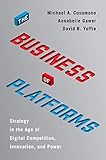
is crucial for anyone navigating the modern business landscape. This book does a fantastic job of making complex ideas approachable. The authors,Cusumano,gawer,and Yoffie,draw on their extensive experience to highlight how platform businesses have transformed our economy.
One of the key insights we gain is how these platforms create immense value. They foster interactions between various players, which is something traditional firms struggle to replicate. This interconnectedness not only drives innovation but also creates entirely new market dynamics. It’s enlightening to see how companies like Amazon and Apple leverage these dynamics to dominate their respective industries.
Moreover, this deeper understanding of platforms sheds light on the responsibilities that come with their power. When a business grows beyond its humble beginnings, the ethical implications become considerably amplified. This discussion about the transition from small to influential platforms is incredibly engaging. we appreciate how the authors explore real-world examples, like Facebook, to illustrate these shifts in responsibility over time.
As we reflect on what it means to succeed in digital competition, we also find the book touches on regulatory challenges. The call for a re-evaluation of data privacy and antitrust laws feels increasingly relevant. By addressing these contemporary issues,the authors provide a balanced view of what it takes to thrive in this digital era. Whether you’re a tech entrepreneur or just curious about the mechanics behind these massive platforms, this book is a must-read.Now, if you’re ready to delve deeper into the world of digital platforms, check the latest price and grab your copy today! Get it now on Amazon
insights Gained from Our Exploration of Innovation Strategies
As we delve into the pages of this insightful book, we quickly realize that it unpacks complex innovation strategies in a way that feels accessible yet profound. It’s fascinating to see how the authors, Cusumano, Gawer, and Yoffie, articulate the essence of platforms-those modern titans of the digital economy. Their exploration shines a light on what makes these digital platforms so powerful, revealing the underlying economic principles that drive them. From early lessons on platform dynamics to more advanced considerations about market influence, the book offers a comprehensive landscape that is both enlightening and actionable.
One of the standout moments for us was the in-depth analysis of platform responsibility as it scales. We appreciated how the authors drew parallels between tech giants of different eras, notably in their approaches to ethics and governance. Recognizing the evolution of a company, like facebook, from a scrappy start-up to a global powerhouse, provides context that is particularly valuable for anyone navigating the waters of innovation. It served as a potent reminder of how the responsibilities of platform operators change as they gain traction, emphasizing the importance of fostering trust and integrity in an increasingly scrutinized surroundings.
Moreover, the book’s exploration of real-world case studies enriched our understanding.From Alibaba’s tactics against eBay in the Chinese eCommerce arena to the competitive strategies employed by tech’s elite, the narrative is woven with stories that breathe life into theoretical concepts. As we absorbed these examples, it became evident that understanding the competitive landscape is crucial for anyone looking to build a successful platform business. The authors don’t just theorize; they connect the dots between heightened user engagement and the sustenance of profitable ecosystems.
In wrapping up this valuable exploration, we can’t help but highlight the relevance of practical advice offered throughout. Whether you’re an investor, entrepreneur, or just someone curious about the digital arena, the book remains a foundational text for grasping these innovative strategies. The authors’ depth of research paired with relatable storytelling ensures that we walk away with actionable insights to implement in our own ventures. diving into this work not only equips us with knowledge but also inspires a forward-thinking approach to the digital economy.
Recommendations for navigating the Tech Landscape with Confidence
Navigating the tech landscape with confidence means understanding the intricacies of platform businesses, especially in this digital age where they dominate the economy. The insights provided in The Business of Platforms are invaluable for entrepreneurs and managers alike. It uncovers how platforms have reshaped industries and what this means for business strategy. It’s not just about having a good product anymore; it’s about how to engage with users, adapt to changing regulations, and innovate continually.
We find that one of the most compelling aspects of this book is its focus on the dynamics of market entry and competition among platforms. The authors, with their extensive research, illustrate why many platforms fail while others thrive. They delve into case studies of major players like Amazon and Apple,which highlight the principles of platform economics. This is crucial for anyone looking to navigate this competitive landscape, as it offers actionable strategies on how to build a sustainable platform business from the ground up.
Moreover, the discussion surrounding the ethical responsibilities that come with scale is particularly noteworthy. As platforms transition from small, nimble companies to giants influencing millions, the moral implications of their operations come into sharper focus.This book encourages us to think critically about these challenges, especially the need for regulatory frameworks in an increasingly scrutinized environment. We appreciate how this aspect is addressed,making it a must-read for those preparing to lead in this complex arena.
For anyone interested in a deeper understanding of platform economics, The Business of Platforms emerges as a critical resource.Whether we are entrepreneurs ready to launch a venture or investors looking to navigate the complexities of the tech landscape, this book equips us with the knowledge needed to thrive. It helps us see the importance of platform strategy over merely having the best product, which is a game-changer in how we approach our businesses today.
Understanding the role of platforms in our economy isn’t just a nice-to-have; it’s essential. With the world shifting towards digital interactions, we find that being informed and prepared is our best strategy for success. That’s what makes this book such a valuable guide for all of us looking to make our mark in the tech world.
Customer Reviews Analysis
Customer Reviews Analysis
In our exploration of “The Business of Platforms: Strategy in the Age of Digital Competition, Innovation, and Power,” we have gathered insights from various readers that present a rich tapestry of perspectives on this book. The consensus reflects its utility and depth, though opinions vary about its accessibility and application for different types of readers.
| Reader Type | Key Insights |
|---|---|
| General Interest Readers | Found the book dense but rewarding, appreciating its nuanced discussions on platform responsibilities. |
| Entrepreneurs | Valued the depth of economic analysis, but noted that some content may not be directly applicable until their business is more established. |
| Investors | Enjoyed the narratives about key market players like Amazon and Alibaba, emphasizing the compelling stories behind digital platforms. |
| Academics | Recognized the extensive research and its systematic approach to platform capitalism as both historical and progressive. |
The feedback indicates that while the book is an essential read,it may serve best as a reference for those already engaged in or transitioning towards platform businesses. Many readers highlighted the informative sections that provide actionable insights on market dynamics and the common pitfalls faced by platform businesses.
We noted that diverse perspectives have emerged from discussions on ethics and market responsibilities, with some readers appreciating the touch on controversial topics like privacy and antitrust issues. This reflects a recognition of the complex landscape in which platform businesses operate today.
“The Business of Platforms” has resonated well with various audience segments, laying a foundation for understanding the economics and strategies behind digital platforms, while acknowledging that its depth may require a subsequent read rather than an initial one. There is a shared sentiment that this book will serve as a valuable guide and reference on our journey through modern digital competition.
Pros & Cons
Pros & Cons
Pros
- In-Depth Knowledge: The authors provide comprehensive insights into platform strategies, making it a must-read for anyone aiming to thrive in the digital economy.
- Expert Opinions: With over 30 years of experience, the expertise of Cusumano, Gawer, and Yoffie lends credibility and depth to the discussion.
- Timely Subject Matter: Given the rapid evolution of digital platforms, the book is styled to address current trends and challenges, making it highly relevant.
- Practical Guidance: The strategies outlined are actionable, providing a blueprint for entrepreneurs looking to develop their own platform businesses.
- Broader Context: The exploration of regulatory issues surrounding platforms enriches our understanding of their impact on the market and society.
Cons
- Complex Concepts: Some readers may find the economic theories and strategies discussed to be challenging without a background in the subject.
- Lengthy Read: With 320 pages, it may be overwhelming for those looking for a quick overview or introductory material.
- Lack of case Studies: While theoretical insights are extensive, practical case studies could enhance relatability and comprehension for some readers.
- Limited Audience Appeal: Those not involved in tech or platform businesses may not find the book as engaging or relevant to their interests.
- Potential bias: As the authors are deeply embedded in the tech industry, their perspectives could be influenced by their experiences, possibly skewing neutrality.
| Aspect | Rating |
|---|---|
| Author Credibility | ⭐⭐⭐⭐⭐ |
| Relevance | ⭐⭐⭐⭐ |
| Readability | ⭐⭐⭐ |
| Practicality | ⭐⭐⭐⭐ |
| Engagement for General Readers | ⭐⭐ |
this “Pros & Cons” section captures a balanced view of “The Business of Platforms,” addressing both its strengths and weaknesses, tailored to engage our readers in an informed and creative manner.
Q&A
Q&A Section: “”
Q1: Who is the target audience for “The Business of Platforms”?
A1: This book is primarily aimed at tech entrepreneurs, managers, and business strategists who are looking to understand the dynamics of platform businesses in today’s digital economy. However, it’s also beneficial for anyone interested in economic trends, digital innovation, and the role of major tech companies in shaping modern society.
Q2: What are the key takeaways from this book?
A2: “The Business of Platforms” delves into the principles that differentiate platform businesses from traditional companies.Key takeaways include the importance of nurturing ecosystems for innovation, understanding data privacy and antitrust issues, and recognizing the disproportionate influence these platforms have on various facets of our lives. The authors also explore strategies for building resilient platform businesses that can thrive in a competitive landscape.
Q3: How does this book compare to other business strategy literature?
A3: Unlike many traditional business strategy books, “The Business of Platforms” focuses explicitly on the unique characteristics and challenges of platform-based business models. It combines theoretical insights with practical applications, making it a valuable resource for those looking to grasp the complexities of operating in a digital economy. the authors’ extensive experience enhances the book’s credibility and relevance.
Q4: Are there real-world examples discussed in the book?
A4: Yes, the authors include a range of real-world examples from leading platform businesses like Amazon, Apple, Microsoft, Facebook, and Google. These case studies illustrate the principles discussed and provide practical insights into how these companies have achieved success and the impact they have on the global economy.
Q5: Does the book address the potential downsides of platform businesses?
A5: Absolutely. The authors do not shy away from discussing the darker sides of platform dominance,including concerns over data privacy,market monopolies,and the need for regulatory oversight. They thoughtfully consider whether there are limits to market dominance and what role governments should play in creating a balanced digital landscape.
Q6: How accessible is the content for someone new to tech or business strategy?
A6: While the book is rich in detail and analysis, the authors do a commendable job of breaking down complex concepts into understandable language. Readers with varying levels of familiarity with technology and business strategy will find valuable insights, although some prior knowledge of basic business principles may enhance the reading experience.
Q7: Would you recommend “The Business of Platforms” for someone not currently involved in a tech business?
A7: Yes, we believe that anyone with an interest in understanding the current and future landscape of the economy will benefit from this book. As platform businesses significantly influence how we interact, work, and consume, the insights offered can resonate well beyond the tech industry.
Q8: Is there any additional material or resources recommended alongside this book?
A8: To deepen your understanding, we suggest exploring recent articles on digital economy trends, following relevant podcasts, and engaging with case studies on platforms in action. Additionally, checking out interviews with the authors can provide further insights into their perspectives on the evolving landscape of business strategy.
Q9: How can “the Business of Platforms” assist aspiring entrepreneurs specifically?
A9: For aspiring entrepreneurs, this book serves as a roadmap to navigate the complexities of launching and managing a platform-based business. It offers strategic frameworks and practical advice, guiding newcomers on how to leverage technology and innovation effectively while also preparing them for challenges in a competitive digital environment.
Q10: What is the overall takeaway message from “The Business of Platforms”?
A10: The overarching message is clear: understanding and adeptly navigating the platform economy is crucial for business success in today’s world. The book emphasizes the necessity for entrepreneurs and managers to adapt their strategies, embrace innovation, and carefully consider the implications of their platforms on society, competition, and the economy at large.
Reveal the extraordinary
“The business of Platforms: strategy in the Age of Digital Competition, Innovation, and Power” serves as an essential resource for anyone navigating the complexities of the digital economy. Whether we’re seasoned tech entrepreneurs or aspiring managers, the insights from Cusumano, Gawer, and Yoffie give us a clearer understanding of how platform businesses operate, innovate, and dominate in today’s marketplace. As the digital landscape continues to evolve, this book equips us with the strategic tools necessary to thrive amidst fierce competition.
We hope this review has shed light on why we consider this book a must-read for anyone looking to master platform strategy. Embracing the principles laid out in these pages could be our key to not just participating in, but excelling in the platform-centric world of business.Ready to reshape your understanding of tech strategy? Dive deeper and get your copy of “The Business of Platforms” today: Order Now!