In the realm of literature, some works resonate profoundly, transcending mere words to evoke visceral emotions and deep reflections on our shared human experience. Today, we delve into one such remarkable memoir: “In the Body of the World: A Memoir of Cancer and Connection” by Eve Ensler. As seasoned readers navigating the intricate ties between body, trauma, and the broader world, we find ourselves drawn into Ensler’s poignant narrative, which masterfully intertwines her personal battle with cancer and the heartbreaking plight of women in the Congo.
This memoir is not merely a recounting of illness; it is a courageous exploration of reclaiming one’s body in the face of trauma-a journey that forces us to confront our own disconnections and responsibilities. Ensler invites us to reflect on our relationship with the Earth, challenging us to recognize the intersections of pain, resilience, and healing that bind us all together. As we turn the pages,we are reminded of the power of storytelling to foster connection and empathy. Join us as we navigate the depths of this compelling narrative, examining how Ensler’s words not only illuminate her struggles but also ignite a call for collective healing and action.
Table of Contents
Exploring the Depths of Humanity in Our Shared Experience
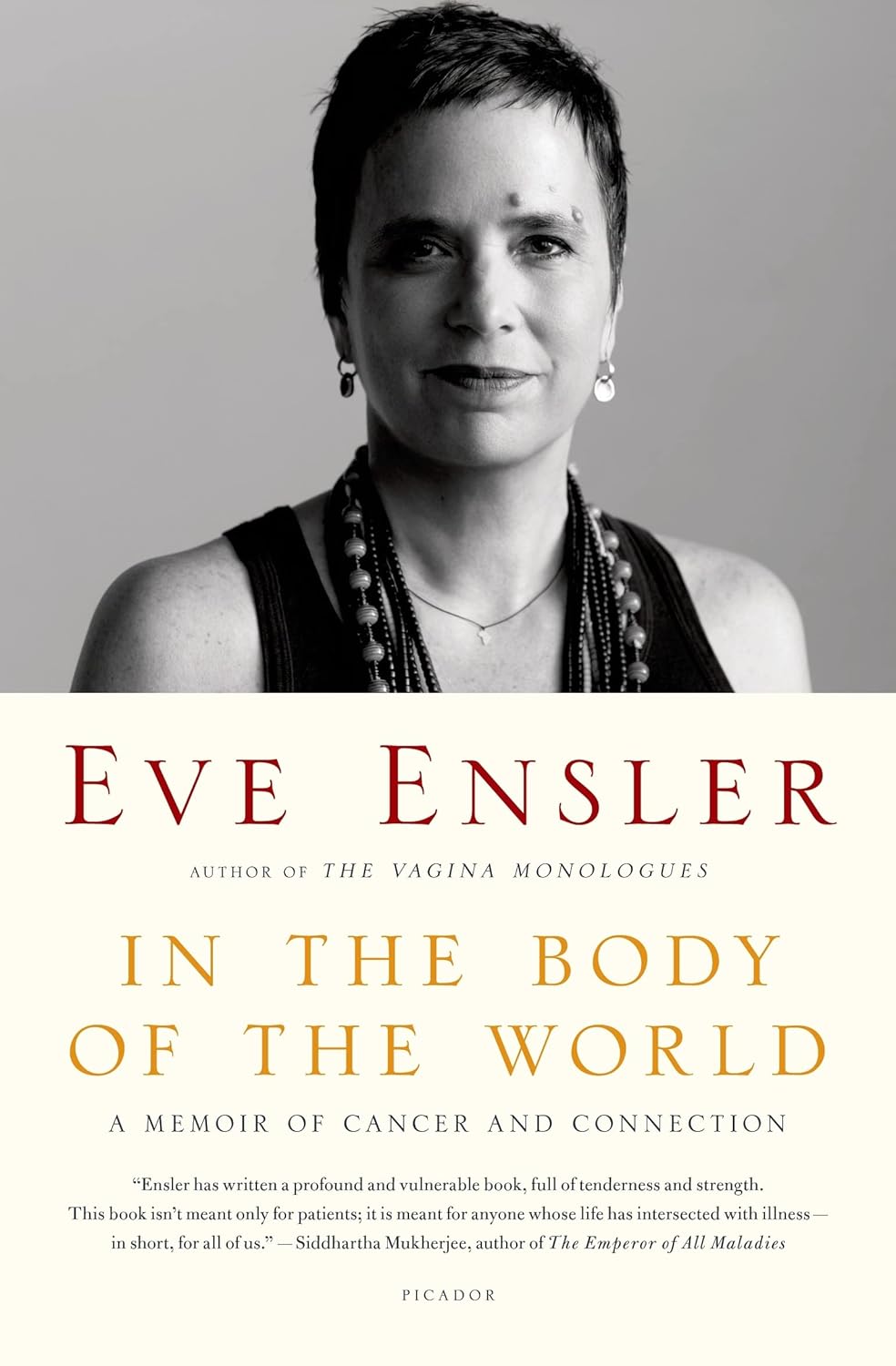
When we dive into the depths of humanity in our shared experience,we find that Eve Ensler’s memoir,”In the Body of the World,” offers an intimate exploration of pain,resilience,and connection. The main keyword of our discussion revolves around how Ensler’s personal journey through cancer becomes a lens to examine the broader struggles women face worldwide. As we turn the pages, we’re taken on a raw and emotional ride that underscores the global elements of suffering and triumph. By weaving her own battles with those of women in the Congo, Ensler paints a poignant portrait of interconnectedness and the human spirit’s capacity to endure.
In a deeply honest narrative, we encounter not just the physical challenges of cancer, but also the emotional toll it takes on her and those around her. Ensler’s candid reflections about her identity and experiences remind us of the importance of connection,both to ourselves and to others. We see her not just as a cancer patient, but as a survivor, an advocate, and a vessel of collective grief. The way she articulates her struggles makes her story relatable to anyone who has faced their own battles, whether they be personal or societal.We can’t help but feel a sense of shared humanity as we bear witness to her courage and vulnerability.
Moreover, the narrative compels us to think critically about the ways in which we approach our own lives and the lives of others. Ensler’s journey prompts reflections on empathy and solidarity. It serves as a call to action for us to expand our understanding of suffering beyond our immediate experiences. This memoir isn’t just about cancer; it’s about how illness can reveal deeper truths about interconnected struggles-like those of the women in the Congo who endure unimaginable violence. We leave this book with a sense of duty, recognizing that our individual stories are part of a larger tapestry of human experience.
Ultimately,Ensler’s narrative teaches us that while our battles may be personal,they are intimately tied to the struggles of others. Her ability to connect the personal with the universal is what makes ”In the Body of the World” a crucial read. It resonates on so many levels, forcefully reminding us that in understanding our pain, we can better understand the pain of others. Her honest storytelling demands that we sit with uncomfortable truths, inspiring us to foster connections that embrace the complexities of being human.we are left not just with a story of survival, but with an urgent call to embody love, compassion, and action in our own lives.
Unpacking the Emotional Landscape of Cancer and Connection

Eve Ensler’s “In the Body of the World” beautifully glides us through a compelling journey. In this memoir of cancer and connection,we are invited into her raw world,merging the personal with the global. We find ourselves empathizing with her experiences as she faces her diagnosis with a heart wide open. The narrative is heavy but refreshingly honest, forcing us to confront the fraught emotional landscape surrounding cancer. In many ways, it resonates beyond the confines of her illness, drawing parallels to our collective experiences of pain and resilience.
The power of this book lies in how it connects the suffering of one woman to the struggles of many. Ensler doesn’t hold back; she shares her vulnerability and fear while inviting us into a community of support that forms in the face of adversity. We see this when she recounts her time in the Congo, grappling with the awful realities of violence against women. This juxtaposition allows us to draw connections between personal pain and global tragedies. Through her words, we can almost hear the whispers of those who’ve endured similar struggles, reminding us we’re not alone in our hardships. The emotional depth in this memoir challenges us to explore our feelings, to acknowledge our bodies as vessels of both pain and healing.
As we navigate through Ensler’s profound reflections, the memoir transforms into a powerful call to action. It pushes us to care not just for ourselves but for others who share similar life-threatening battles. There’s a comforting warmth in her storytelling, as if we’re gathered around a fire with friends, sharing tales of heartache and triumph. we appreciate the emotional landscape she so vividly paints, illuminating the struggles of countless women. Her strength transcends the pages, compelling us to think about our own connections with those who are experiencing their own battles.
We find ourselves drawn deeper into Ensler’s world, soaking in her lessons about connection, support, and healing. The book doesn’t shy away from the harsh realities of cancer, yet it simultaneously uplifts us with the stories of survival and community. It’s in this very blend of brutal honesty and hopeful connection that we discover the underlying theme: through connection with ourselves and others,we can find a way to navigate our pain,together. “In the Body of the World” is not just a story of cancer; it’s an exploration of our innate need for connection, especially during our darkest hours.
With its emotional resonance and authenticity, this memoir is a must-read for anyone seeking to understand the intertwined narratives of personal suffering and collective resilience. it prompts us to reflect on our connections, to embrace our bodies, and ultimately to recognize our shared humanity in the face of hardship. The emotional landscape painted by Eve Ensler invites us in, challenges us, and encourages us to grow together, even in the shadow of cancer’s relentless grasp.

Highlighting Key Themes and Insights from Our journey
In “In the Body of the World,” we dive deep into the vivid and raw narrative that Eve ensler presents. The main keyword, cancer memoir, embodies the essence of this transformative journey. Throughout her recollections, Ensler sheds light on not only her battle with cancer but also the connections she’s forged with those who suffer from trauma and abuse. Her candid storytelling invites us to reflect on our own vulnerabilities and the importance of community in times of strife.
One of the prominent themes we noticed is the power of connection. As Ensler navigates her treatment, she chronicles the support she receives from her friends and the wider community. This sense of belonging stands in stark contrast to the isolation that often accompanies illness. It emphasizes the notion that we need each other, especially during times of hardship. In sharing her experiences, she challenges us to consider how we can be there for others, fostering empathy and understanding in our own lives.
Moreover, there’s a striking parallel drawn between Ensler’s personal experiences and the broader societal issues faced by women around the world. Her time in the Congo serves as a poignant reminder of the violence women endure, emphasizing that the fight against cancer mirrors the struggle against systemic abuse. It’s through this lens that we gain insight into how personal and global challenges intertwine,urging us to look beyond our individual battles and extend our support to those in need,creating a collective force for change.
what resonates most is the theme of resilience. Ensler’s narrative isn’t merely about the suffering; it’s about the triumph of the human spirit. She demonstrates that healing is multifaceted, encompassing not just physical recovery but also emotional and spiritual growth. As we journey with her, we learn that embracing our vulnerabilities can be a source of strength, paving the way for connection and recovery-both personally and collectively. This memoir encourages us to reflect on our own journeys and the ways we can contribute to a more compassionate world.
A Closer Look at the Narration Style and Personal Reflections
Eve Ensler’s writing grabs us right from the first page. She communicates her experiences with a raw honesty that feels like an open invitation into her world. The narration style is informal, allowing us to connect deeply with her journey. Words flow freely, and every emotion resonates. This comfort with sharing makes us feel like we’re conversing with a close friend rather than reading a memoir. The straightforward language, often tinged with humor and candidness, makes even the hardest moments easier to digest. We find ourselves reflecting on our own experiences while journeying alongside her through the trials of cancer and personal trauma.
Throughout the memoir, Ensler navigates heavy topics like cancer, abuse, and resilience with tremendous grace. Her reflections are both personal and universal, pulling us in with her vulnerability. We witness her struggles, victories, and the painful lessons learned along the way. the juxtaposition of her battles against societal issues, such as the violence faced by women in the Congo, adds layers to her story. It’s not just about her experience; she connects her personal pain to the collective suffering of women everywhere. This powerful intertwining calls us to consider our own roles in these broader conversations about health, gender, and identity.
Moreover, what stands out is the way Ensler embraces her humanity throughout her journey.She doesn’t shy away from moments of despair or weakness; rather, she presents them as integral parts of her growth. This authentic approach beckons us to embrace our own stories, no matter how messy or complex they may seem. As we read, we’re inspired to reflect on our connections to our bodies and the world around us. Through her narrative, we find encouragement to acknowledge our vulnerabilities, to seek support, and to foster connections with others in our lives. Eve’s ability to highlight the importance of these relationships adds depth to her memoir, reminding us that we’re all part of an intricate shared human experience.
In essence, the narration style becomes more than just a vehicle for her story; it transforms into a lifeline connecting us to shared feelings and experiences. Ensler’s courage in sharing her journey fosters a sense of solidarity among readers, leading us to contemplate our own lives and how we navigate the world. We emerge from these pages feeling moved, enlightened, and motivated to continue our own journeys with empathy and connection.
Our Final Thoughts and Recommendations for Readers Seeking Connection
When we dive into “In the Body of the World: A Memoir of Cancer and Connection,” we find a raw narrative that invites us to not only contemplate illness but also to embrace our shared humanity. Eve Ensler opens up about her own struggles with cancer while interweaving her experiences with the suffering of women in the congo, creating an intricate tapestry of pain, resilience, and connection. It’s a powerful look at how we can relate to each other through shared experiences, reminding us that our struggles can forge lasting connections.
Ensler does not shy away from the brutal realities of her cancer journey. Rather, she presents her experiences with honesty and warmth, pulling us into her emotional landscape. We feel the weight of her treatments, her moments of despair, and the flickers of hope. Her candid exploration of her relationship with her body-one that has been marked by trauma and healing-resonates deeply. For those of us seeking to understand our connection to others, this memoir serves as a beacon, suggesting that vulnerability can lead to profound human connection.
Moreover, the poignant parallels between her illness and the struggles of women in war-torn regions awaken our sense of empathy. As we read, we cannot help but consider the broader implications of her story. Ensler urges us to confront uncomfortable truths, helping us appreciate how our personal battles are frequently enough linked to larger global issues. This thematic depth enriches our understanding and compels us to reflect on our role in fostering compassion and change.
Ultimately, if you’re seeking connection, meaning, or simply wish to engage with raw truths, this memoir is indispensable. Whether you have faced illness or are navigating other challenges, Ensler’s journey is one that speaks to the ties that bind us all. We recommend diving into this transformative read and allowing it to inspire you to build bridges of understanding in your own life.
For those ready to explore these themes and enrich their journey of connection, we encourage you to buy the book now.
Customer Reviews Analysis
Customer Reviews Analysis
In diving into the myriad of customer reviews for In the Body of the World: A Memoir of Cancer and connection, we find a tapestry woven with diverse perspectives, shared experiences, and emotional connections. This memoir by Eve Ensler resonates deeply with readers, and the reviews reflect the profound impact it has had on those who dare to engage with its themes of suffering, survival, and connection.
Emotional Impact
Across the board, reviewers express a deep emotional engagement with Ensler’s narrative. Many describe the memoir as profoundly moving, highlighting how it transcends the typical boundaries of a cancer narrative. For instance, one reviewer notes:
“Eve Ensler has exposed herself… as a victim of cancer and warrior against it… This is a paean to the world of women.”
This sentiment is echoed throughout the reviews, with readers appreciating her candidness and the nuanced exploration of pain intertwined with resilience.
Connection Through Trauma
A notable theme that emerges from the reviews is the connection forged through shared trauma. Reviewers articulate how Ensler’s experiences resonate with their own, whether through personal battles with cancer or other forms of abuse. One reader reflects:
“It is indeed a must-read for anyone traumatized by abuse… I felt drawn into Eve’s story and am touched deeply by her honesty.”
This theme of connection underscores the memoir’s power, serving as a reminder that shared stories can provide solace and understanding, especially in times of hardship.
Style and Authenticity
Ensler’s writing style has received particular praise.Many readers appreciate her use of everyday language, which allows them to grasp the raw realities of cancer treatment without feeling alienated. A reviewer even emphasizes:
“Eve Ensler pours her naked heart out. She powerfully connects the dots on how all of life is one.”
Moreover, some readers find additional layers of authenticity in the audio version, as hearing the author’s voice adds depth to her already vivid prose.
Challenges of Reading
Despite the memoir’s impactful storytelling, several reviewers acknowledge the challenges presented by its heavier themes. One note stands out about the difficulty in grappling with another’s suffering:
“Good book, can’t say I ‘enjoyed’ it… reading about another woman’s suffering is challenging.”
These reflections demonstrate that while the memoir is enriching, the weight of its subject matter can make it a difficult read for some. Nonetheless, the consensus is that the struggle is worthwhile, leading to personal insights and deeper connections.
Summary of Reviews
| Positive Aspects | challenging Aspects |
|---|---|
| Profound emotional impact | Heavy themes can be difficult to process |
| candor and authenticity in writing | Not a typical “feel-good” memoir |
| Connection to shared trauma | May trigger personal reflections on pain |
| Strong narrative style | Some readers may find it overwhelming |
our analysis of customer reviews reveals not only the emotional depth and authenticity of Eve Ensler’s memoir but also the complexities surrounding its reading experience.In the Body of the World emerges as a recommended read for those willing to engage with its challenging yet transformative themes of cancer, connection, and the resilience of the human spirit.
Pros & Cons
Pros & Cons of In the Body of the World: A Memoir of Cancer and Connection
| Pros | Cons |
|---|---|
| Powerful storytelling that captures the raw emotional experience of illness and recovery. | Content may be triggering for some readers due to graphic descriptions of trauma and suffering. |
| Insightful connections between personal health and global issues, providing a broader perspective. | Some readers may find the narrative structure nonlinear or challenging to follow. |
| Written by Eve Ensler, a well-respected author and activist, enhancing credibility and depth. | The intense emotional themes may not appeal to all audiences,particularly those seeking lighter reads. |
| A call to action that inspires readers to reflect on their own bodies and the world around them. | At 240 pages, the memoir may feel brief for those wanting an extended exploration of themes. |
As we delve into the pages of In the Body of the World, we find ourselves navigating a landscape filled with both the profound and the painful. It’s a memoir that challenges us to engage deeply with our own bodies and the world we inhabit, even as it presents some difficult truths. Ultimately, it serves as a mirror reflecting our collective strength, our vulnerability, and our shared responsibilities.
Q&A
Q&A Section
Q1: What inspired Eve Ensler to write “In the Body of the World”?
A1: Eve Ensler was motivated by her own struggles with personal trauma and health as well as her experiences working with women in the Congo who faced unimaginable violence. The intersection of her diagnosis with uterine cancer and the resilience of women across the globe provided a powerful narrative that lead her to explore her own disconnection from her body and the urgent need to connect with the world around us.
Q2: How does the memoir address the theme of the body and healing?
A2: In ”In the Body of the World,” Ensler takes us on a journey that intricately weaves her personal battle with cancer alongside her advocacy for women’s rights. She discusses how her illness forces her to confront her own body in a way she never had before.This journey of healing goes beyond physical recovery; it becomes a profound exploration of emotional and spiritual revival, ultimately leading her to feel a deep connection with the universe and the collective struggle of humanity.
Q3: Is this memoir appropriate for readers who haven’t experienced cancer?
A3: Absolutely. While Ensler’s memoir is rooted in her personal cancer journey, it delves into universal themes of connection, struggle, and resilience that resonate with anyone. we beleive that readers will find her reflections on the body and surroundings to be thought-provoking and relevant, sparking introspection and encouraging a sense of solidarity irrespective of personal experience with illness.
Q4: What is the writing style of “In the Body of the World”?
A4: Ensler’s writing is candid,poetic,and evocative. She expertly captures both the rawness of her experiences and the beauty of human connection. Her unique voice combines vulnerability with a call to action that leaves a lasting impression on us,making it not just a story of illness but a compelling narrative about empowerment and the journey toward healing.
Q5: How has the memoir been received by readers?
A5: “In the Body of the World” has garnered positive reviews, reflected in its 4.6-star rating. Readers have praised it for its unflinching honesty and emotional depth. Many have found Ensler’s story inspiring, seeing it as a beacon of hope and a reminder of our shared responsibility to care for both ourselves and the world around us.
Q6: What message do we take away from this memoir?
A6: The overarching message from “In the Body of the World” is one of interconnectedness. Ensler urges us to embrace our bodies and recognize the pain and resilience within ourselves and the world. She challenges us to account for our relationship with our own health and the health of the planet, fostering a collective responsibility for nurturing both in our lives. It’s not just a memoir; it’s a call to embody compassion and connection in everything we do.
Unleash Your True Potential
As we reflect on Eve Ensler’s profound journey in *In the Body of the World: A Memoir of Cancer and Connection*, we find ourselves grateful for the honesty and vulnerability she shares within these pages. Ensler’s ability to weave her personal narrative with the broader struggles of women and the earth is nothing short of inspiring. She invites us to confront our own disconnections and empowers us to reclaim our bodies and our stories in the process. Through her experiences of resilience amid adversity,we are reminded that we are all interconnected,and it is our responsibility to honor both our bodies and the world we inhabit.
If you’re seeking a memoir that resonates with the depths of the human experience while encouraging a deeper connection to ourselves and to one another,we wholeheartedly recommend diving into this transformative work. Join us in this exploration of resilience, healing, and our shared humanity.
To experience the powerful insights of *In the Body of the World* for yourself, click here: Discover the Book and embark on a journey that promises to challenge and inspire.