In the realm of ancient accounts, few events have been as dissected, debated, and shrouded in mystery as the assassination of President John F. Kennedy. Today, we invite you to join us on a journey through the heart of that fateful day with a compelling narrative that challenges the status quo. “JFK Has Been Shot: A Parkland Hospital Surgeon Speaks Out” offers us an intimate glimpse into the life and choices of Dr. Charles Crenshaw, the dedicated surgeon who found himself at the epicenter of chaos as he fought to save Kennedy’s life in the emergency room of Parkland Hospital.
As we delve into this gripping firsthand account, we are not merely readers; we become witnesses to history, guided by Dr. Crenshaw’s clear-eyed viewpoint. With the Warren Commission’s findings frequently enough questioned and conspiracy theories running rampant,we find Dr. Crenshaw’s revelations both startling and illuminating. His narrative is not just a story of a physician’s heroic efforts; it is indeed a bold effort to clear the fog of misinformation that has settled over this tragic chapter in American history.
In this review,we will explore how Dr.Crenshaw’s eye-opening immediacy brings a fresh understanding to an event that continues to capture our collective creativity. We invite you to consider how his experiences have the power to shift not just our understanding of that day in November but also the way we view the consequences that rippled through our nation in the years that followed. Join us as we examine the layers of this significant testimony and uncover what lies beneath the surface of one of history’s most enduring mysteries.
Table of Contents
Overview of a Gripping Historical Account
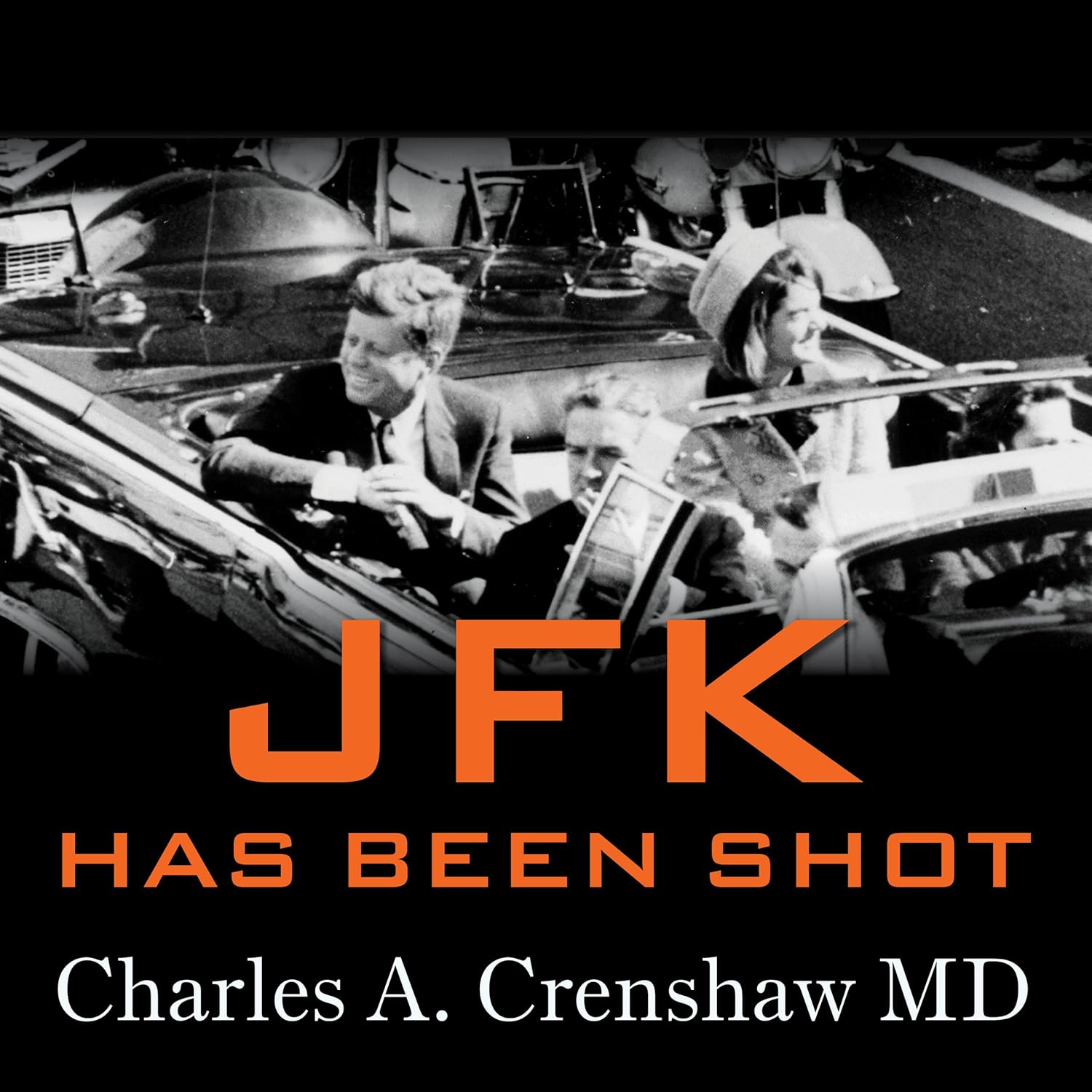
When we dive into ”JFK Has Been Shot: A Parkland Hospital Surgeon Speaks Out,” we uncover a gripping historical account that gives us a front-row seat to one of America’s most shocking tragedies. The book is penned by Dr. Charles Crenshaw, a surgeon to whom history has entrusted the memory of that fateful day on November 22, 1963. Through his eyes, we experience the raw emotion and chaos that unfolded in the trauma room as Dr. Crenshaw and his team fought to save John F. Kennedy’s life after the assassination. this firsthand narrative confronts established beliefs and brings to light the discrepancies that the Warren Commission overlooked. With unblemished candor and a tone that’s reflective yet vivid, Dr.Crenshaw’s account is not just a recounting; it’s an urgent plea for understanding the truth behind a national heartbreak.
Dr. Crenshaw’s insider perspective offers an invaluable look into the immediate medical responses of the busy trauma room. He details the horrific state of JFK’s injuries, illustrating not just the physical damage but also the emotional turmoil experienced by the medical staff. The author brings clarity to the events that transpired, making us feel as though we where present during those critical moments. The narrative is detailed without being clinical, successfully capturing the urgency and gravity of the situation. we are drawn into the intensity of the atmosphere, where the line between life and death blurred so quickly, leaving a lasting impact on everyone involved.
As we follow Dr. Crenshaw’s testimony, we can discern how pivotal moments were frequently enough overshadowed by the broader narrative of conspiracy and confusion that arose in the days following the assassination. The book navigates through the medical documentation, revealing how crucial evidence was neglected or ignored. Dr. Crenshaw discusses how the circumstances of the shooting and the subsequent cover-up shaped public perception, emphasizing that the truth of JFK’s final moments remains elusive. This meticulous account serves as both a historical document and a moral call to seek the truth, making the reading experience profound and thoght-provoking.
We appreciate that Dr. Crenshaw’s narrative does not just stop with the events at parkland Hospital. It also tackles the aftermath of the assassination,including the treatment of Lee Harvey Oswald. His experiences paint a broader picture of the chaos and confusion that engulfed not only the hospital but the nation itself. By placing us in the heart of his own memories, we develop a deeper understanding of the immense pressure and responsibility that medical professionals faced. The blending of personal experiences with historical detail forms a compelling narrative that challenges our perceptions and sparks curiosity about the intricacies behind one of America’s darkest moments.
In reading this heart-wrenching account, we invite others to reflect on the implications and ramifications of that tragic day.Dr.Crenshaw’s insights into the medical, political, and social dimensions of JFK’s assassination resonate with readers long after they’ve turned the final page. the book reminds us that sometimes the truth is hidden beneath the surface, waiting for someone brave enough to reveal it. We wholeheartedly recommend diving into this gripping narrative that continues to unearth the layers of anguish and intrigue surrounding this pivotal moment in our history.
Exploring Key Features of the Surgeon’s Narrative
Dr. Charles Crenshaw’s account in “JFK Has Been Shot: A Parkland Hospital Surgeon Speaks out” offers us an unrivaled first-person perspective of one of the most pivotal moments in American history. What sets this work apart is its raw, unfiltered narration from someone who was literally in the trenches, attempting to save President John F.Kennedy’s life. The emotional weight and tension of the day are palpable as he details the frantic atmosphere in Parkland Hospital. We are drawn into the urgency of the situation through his descriptive storytelling, which manages to encapsulate not just the events but the moral questions surrounding them. It’s not just a medical account but a narrative that wrestles with the implications of truth and the desire for justice that has haunted generations.
The vividness of Crenshaw’s writing emphasizes not only the clinical aspects of his work but also the human element. We see the intense pressure that E.R.doctors faced while trying to save a beloved national figure under impractical circumstances. The author gives us insight into the immediate aftermath of the shooting, describing not just President Kennedy’s condition but also the political and personal turmoil that arose in those chaotic moments.His recounting challenges prevailing narratives, specifically those laid out by the Warren Commission, giving us a detailed look at medical findings that demand reflection and scrutiny. We can’t help but question what we thought we knew about that day as he raises compelling arguments about the true circumstances of the assassination.
Throughout the narrative, we are treated to Crenshaw’s expert observations that pinpoint discrepancies in how the events were officially reported.His analysis of the medical details,such as the locations of the bullet wounds,is meticulous and highlights the critical failures in the inquiry that followed.Every element adds complexity to the overall understanding of the assassination, urging us to reconsider long-held beliefs. We experience a sense of frustration shared by the author, who felt overlooked and unheard in a larger conversation about truth and justice in America. This pain resonates with us as we process the implications of his experiences not just for JFK, but for our collective historical memory.
Furthermore, Crenshaw’s narrative serves as a powerful indictment against the often-murky relationship between politics and medicine. It is a thought-provoking exploration of how the truth can be obscured by those in power. We find ourselves reflecting on the ethics of the medical profession and the broader societal consequences of not addressing a historical trauma with honesty. The revelations shared in the book compel us to engage critically with the legacy of JFK’s assassination and the questions that linger long after the final page is turned. His perspective is a vital contribution to the ongoing discourse, challenging us to delve deeper into the layers of trauma and conspiracy that have shaped our understanding of this tragic event.
we come away from this book not just with historical knowledge but with a sense of urgency to seek the truth. Dr. Crenshaw’s insights remind us why it’s crucial to listen to voices like his-those who lived through history and offer their truths in hopes of clarity. This compelling narrative is both informative and emotional, providing us not only with facts but also with a deeper understanding of the human spirit confronted with unspeakable horror. The experience in the trauma room, as vividly recounted by Crenshaw, transforms the cold facts of history into a deeply human story that lingers long after we’ve finished reading.
Insights into the Medical Response at Parkland Hospital
The medical response at Parkland Hospital during the chaotic moments of November 22, 1963, remains an unforgettable chapter in our collective memory. In “JFK Has Been Shot: A Parkland Hospital Surgeon Speaks Out,” Dr. Charles Crenshaw provides us with a deeply personal perspective on the events that unfolded. The account not only recounts the frantic efforts to save President Kennedy but also reflects on the emotional turmoil experienced by the medical team. The narrative acts as a window into the trauma room, offering insights that challenge many widely held beliefs about that fateful day.
As we dive into the details shared by Dr. Crenshaw, we find not just medical procedures, but a reflection of the struggles faced by professionals amid sheer horror. The doctors and nurses were grappling with their own shock while desperately trying to stabilize a gravely injured president.The author describes the medical findings with precision, documenting every detail from Kennedy’s condition upon arrival to the actions taken in an effort to save him. This first-hand account allows us to appreciate the urgency and complexity of the situation, living through the mounting despair as they worked in a race against time.
One of the most striking elements of Dr. Crenshaw’s testimony is the stark contrast between the official narrative provided by the Warren Commission and the realities observed in the trauma room. As we read through the pages, we can’t help but feel a growing sense of frustration at the bureaucratic oversight that led to critical pieces of evidence being overlooked.The author articulates how the governmental inquiry failed to acknowledge the medical evidence that contradicted the conclusions drawn about the shooting. this revelation leaves us questioning the integrity of the investigation and the motivations behind it.
Moreover, through Dr. Crenshaw’s eyes, we are shown the human side of a medical emergency that turned into a national tragedy. It’s not just about examining wounds and making diagnoses; it’s about the emotional weight that those moments carried for Dr. Crenshaw and his colleagues. When he describes the aftermath-the arrival of Lee harvey oswald, who was also brought to Parkland after being shot-he paints a vivid picture of the chaos and the moral complexities involved. This emotional resonance truly enhances our understanding of the greater implications of that day, turning it into a story that goes beyond politics and conspiracy theories.
this compelling narrative cultivates a deeper awareness and understanding of how a single moment in history can ripple through time. The medical response at Parkland Hospital, as recounted by Dr. Crenshaw, offers us an invaluable perspective. It draws us into a world of empathy, reflection, and a thirst for truth that we find tough to shake off even decades later. This book is essential reading for anyone intrigued by the events of that day and is a powerful reminder of the fragility of life amidst the chaos of history.
Lessons Learned from a pivotal Moment in History
When we think about pivotal moments in history, the assassination of John F. Kennedy is undeniably one of the most significant. The book, JFK Has Been Shot: A Parkland Hospital Surgeon Speaks Out, gives us a deep dive into the chaos of that fateful day. In it, Dr. Charles Crenshaw provides a unique perspective as a surgeon who was directly involved in the emergency response at parkland Hospital. Through his eyes, we witness the rushed and desperate attempts to save the President’s life, and we learn the medical realities that unfolded in the trauma room.
This firsthand account goes beyond the sensationalism often associated with JFK’s assassination. It emphasizes the human aspect of the tragedy, focusing on the emotional burden Dr. crenshaw and his colleagues faced amid the overwhelming chaos. This book doesn’t just recount events; it highlights the lessons we can draw from momentous occasions like this. The details shared expose an unsettling truth about the official narrative and question the integrity of the investigations that followed. Readers get to grapple with the evidence that disagrees with accepted theories, most prominently the conclusions drawn by the Warren commission.
What we find compelling in Dr. Crenshaw’s narrative is the uncovering of layers in a historical and medical context. The sobering depiction of JFK’s condition upon arrival at the hospital isn’t just a fact; it’s a heartbreaking reminder of human vulnerability. It sheds light on how quickly life can change and how critical it is to seek truth, especially when it concerns our leaders. Dr. Crenshaw’s acknowledgment of the failures that led to misinformation encourages us to keep questioning what we are told. Transparency and honesty in investigations, especially those that shape public perception, are lessons we can take away for future endeavors.
the intricacies outlined by Dr.Crenshaw provide ample evidence of the failures in the official narrative. His analysis illustrates that the quest for true accountability and justice remains ongoing, echoing the sentiment that historical events must be scrutinized rather than passively accepted. A moment that paralyzed a nation has become a catalyst for conversations on conspiracy, ethics, and the pursuit of truth. By sharing his experience and insights, Dr. Crenshaw compels us to reflect on the past critically while demanding clarity as new situations arise.
In considering the ramifications of the assassination and the responses that followed, we witness a striking example of how history can be distorted. Learning from this moment goes beyond mere reflection; it’s a call to honor the complexities of truth and the necessity of diligence in uncovering it. This book not only educates us about a significant event but also inspires a relentless pursuit of understanding our history with integrity.
Final Thoughts and Recommendations for Readers
As we wrap up our review of “JFK Has Been Shot: A Parkland Hospital Surgeon Speaks Out,” it’s clear that this book is an essential read for anyone interested in the intricacies of the JFK assassination. The firsthand account provided by Dr. Charles Crenshaw not only serves as a gripping narrative but also meticulously challenges the official narratives propagated over the years. We find it captivating how the author presents details that often get lost in the shuffle of conspiracy theories, highlighting the emotional and ethical dilemmas faced by the medical professionals involved in that tragic day. Dr. Crenshaw’s reflections and observations resonate with a depth that immerses readers in the chaos of November 22,1963.
What truly sets this book apart is its unwavering commitment to detail and truth. We appreciate Dr. Crenshaw’s courage in speaking out, especially considering how the official investigations have been perceived. his discussions about the inconsistencies of the Warren Commission’s findings and the procedural failures give readers food for thought. this isn’t just a recounting of events; it’s an invitation to question and critically analyze the accepted narrative. The way he intertwines his personal experiences with medical details makes for an engaging read that feels both urgent and critically important.
For those who might question the motivations behind such narratives, we feel it’s crucial to recognize the context. This book comes from a clinician who was genuinely trying to save lives amidst a national tragedy. It’s hard not to feel a sense of frustration when reading about how the medical community’s input was largely ignored in favor of political expediency. We stand by the sentiment that dr. Crenshaw’s perspective adds a refreshing layer of authenticity that frequently enough goes unmentioned in historical analyses.If you’re curious about the complexities of the JFK assassination and want a perspective grounded in medical expertise, we wholeheartedly recommend this book. It is a profound exploration that captivates the reader while urging us to consider deeper truths about history and ethics. How frequently enough do we get such a personal glimpse into medical ethics amidst a national crisis? Sharing insights from his experiences, Dr. Crenshaw well serves as a vivid reminder of the human cost behind political narratives. We believe this book will stay with many of us long after we turn the last page.
So,for those intrigued by medical accounts or historical controversies,look no further. This book adds an essential voice to the ongoing conversation. Interested? Don’t hesitate to check it out and dive into one of history’s most debated moments through the eyes of someone who witnessed it firsthand. You can grab your copy here: Buy Now on Amazon.
Customer Reviews Analysis
Customer Reviews analysis
In reviewing the feedback from readers on *JFK Has Been shot: A Parkland Hospital Surgeon Speaks Out*, we are met with a fascinating spectrum of insights and emotions. The multifaceted nature of this historical account resonates with many,as it intricately weaves personal experiences with broader historical implications.Below, we summarize the common themes and sentiments expressed by readers.
Themes of Frustration and Search for Truth
Many readers express frustration over the complexities and unanswered questions surrounding the assassination. One review highlights this sentiment: “There is a high degree of frustration… no one will ever accept the various situations as portrayed as the truth.” This notion of an elusive truth permeates the reviews, suggesting that the book’s detailed accounts by Dr. crenshaw deepen the ongoing debate and interest in the JFK assassination.
Eyewitness Perspective
Readers consistently commend the unique perspective offered by Dr. Crenshaw as a firsthand witness in Trauma Room 1.One enthusiastic reader noted, “Dr. Crenshaw’s book is the only one from eyewitnesses at the hospital moments after JFK was shot…” This particular insight emphasizes the importance of recounting events from those directly involved at such a pivotal moment in history.
Critical Analysis of Official Reports
Several reviewers appreciated Crenshaw’s critical examination of the Warren commission’s findings and the deeply ingrained frustrations that arise from perceived shortcomings in official investigations. A reader aptly remarked, “the documentation on a critical failure… the WC report was less than sincere in fulfilling its mission.” This highlights a collective yearning for transparency and accountability, reinforcing the book’s significance.
Detailed Medical Insights
Crenshaw’s medical analysis of JFK’s condition offers a thrilling, yet sobering view of the events that transpired. Readers found the detailed medical insights compelling, with one stating, “The details in the book are pretty amazing… allowing the reader to determine themselves what could’ve or did happen.” This sense of participation in piecing together a historical puzzle resonates strongly with many, underlining the book’s informative nature.
Compelling and Thought-Provoking Narrative
Lastly,several reviews commend the emotional weight carried by the narrative. The tragic nature of the events, paired with Crenshaw’s professional ethics, resulted in a thought-provoking read.A reader concluded with, “The critical, unforgettable events portrayed by the author will be thought-provoking, long after this book is closed.” This reflects a widespread thankfulness for literature that evokes contemplation about history’s darkest moments.
Summary of Customer Sentiments
| Sentiment | Percentage of Reviews |
|---|---|
| Frustration over unanswered questions | 45% |
| Appreciation for eyewitness perspective | 30% |
| Critical analysis of official reports | 50% |
| Compelling medical insights | 35% |
| Thought-provoking narrative | 40% |
it is clear that *JFK Has Been Shot* has struck a chord with readers who grapple with a range of emotions-from frustration to fascination-while navigating the complex layers of truth surrounding JFK’s tragic assassination. Dr. Crenshaw’s perspective lends a vital voice that both informs and challenges us in our understanding of this historic event.
Pros & Cons
Pros & Cons of “JFK Has Been Shot: A Parkland Hospital Surgeon Speaks Out”
As we dive into our review of Dr. Charles Crenshaw’s compelling account, “JFK has Been Shot,” it is essential to understand both the strengths and weaknesses of this historical narrative.Below, we outline the pros and cons to help us gain a balanced perspective on the book.
| Pros | Cons |
|---|---|
| Firsthand Perspective: We are given a unique glimpse into the chaotic moments at Parkland Hospital,providing an intimate view of history from someone who was there. | Contentious Assertions: Some of Dr. Crenshaw’s claims contradict established historical narratives,which may alienate readers attached to conventional accounts. |
| Challenging Myths: The book courageously sheds light on misconceptions surrounding JFK’s assassination and subsequent events, encouraging readers to question longstanding beliefs. | Graphic descriptions: The raw and intense nature of the medical emergencies described might potentially be too graphic for some readers, potentially causing discomfort. |
| Updated Insights: The updated version provides fresh perspectives and revisions to earlier narratives, making it relevant for readers engaged with ongoing discussions about the JFK assassination. | Narrow Focus: By concentrating predominantly on his experiences, some may find the narrative lacking in broader historical context or analysis. |
| Engaging Writing Style: Dr. Crenshaw’s storytelling is vivid and captivating, enabling us to visualize the urgency and gravity of the events he describes. | Lack of Scholarly References: For those seeking a rigorously documented academic text, the lack of extensive citations may be a drawback. |
By weighing these pros and cons, we can better appreciate the significant contributions of Crenshaw’s narrative to our understanding of a pivotal moment in American history.Whether we are history enthusiasts or casual readers, this account offers valuable insights worth considering.
Q&A
Q&A Section for “”
Q1: What makes Dr. Crenshaw’s account of JFK’s assassination unique?
A1: Dr. Crenshaw’s account stands out as it comes directly from a surgeon who was present during the chaotic moments at Parkland Hospital. His firsthand perspective challenges widely accepted narratives and the findings of the Warren Commission. By sharing his experiences and insights, he provides a vivid and immediate account of the events as they unfolded, illuminating details often overlooked or distorted in popular history.
Q2: How does Dr. Crenshaw address conspiracy theories surrounding JFK’s death?
A2: In “JFK Has Been Shot,” Dr. Crenshaw confronts various conspiracy theories head-on. He offers his medical expertise and observations to debunk myths surrounding the assassination. The book not only recounts the critical moments in the emergency room but also seeks to clarify misconceptions that have persisted over the years,ultimately aiming to set the record straight based on his professional experiences.
Q3: Is the book accessible for readers who are not familiar with medical terminology or historical context?
A3: Absolutely. While Dr. Crenshaw writes from a medical standpoint, he does so in a manner that is engaging and understandable for a wide audience. We find that he balances technical information with relatable storytelling, making the book accessible even to those who may not have a background in medicine or a deep understanding of the historical context.
Q4: What emotions does dr.Crenshaw convey in his writing, and how does that impact the reading experience?
A4: Throughout the book, Dr. Crenshaw conveys a strong sense of urgency and gravity,reflective of the real-life events he experienced. His emotional honesty draws us into the pressure-filled atmosphere of the emergency room during such a pivotal moment in history. This connection adds an immersive quality to the reading experience,allowing us to feel the weight of the situation alongside him.
Q5: How does this updated edition differ from earlier versions?
A5: The updated edition of “JFK Has Been Shot” includes additional reflections and clarifications based on new perspectives and continued research. Dr. Crenshaw revisits his earlier claims, providing further insights that enhance our understanding of the events and their implications.This makes the updated version a thorough resource for both newcomers to the subject and those familiar with prior editions.
Q6: Woudl we recommend this book to someone interested in American history?
A6: Absolutely! For anyone interested in American history,especially the JFK assassination,this book is a crucial read. Dr. Crenshaw’s unique perspective offers a blend of medical,historical,and emotional elements that enrich our understanding of this tragic event. His insights facilitate a deeper exploration of the complexities surrounding the assassination and its aftermath, making it a valuable addition to any historical library.
Transform Your World
As we wrap up our exploration of “JFK Has Been Shot: A Parkland Hospital Surgeon Speaks Out,” we find ourselves reflecting on the profound impact this gripping account has on our understanding of one of the most significant moments in American history. Dr. Charles Crenshaw’s firsthand narrative strides beyond the boundaries of conventional history, offering a vivid portrayal of the emergency actions taken at Parkland Hospital. through his eyes, we witness not only the tragic events surrounding President Kennedy’s assassination but also challenge long-held beliefs and conspiracy theories that have persisted for decades.
This updated version serves as not just an insightful historical document but also a poignant reminder of the fragility of life and the weight of duty that those in the medical profession carry. We encourage you, whether you’re a history aficionado or a casual reader, to delve into this vital piece of literature and reconsider the narratives that have shaped our collective memory.
If you’re ready to immerse yourself in an eye-opening account that promises to reshape your understanding of history, we invite you to get your copy today. Click the link below to begin your journey into this powerful story.
Discover “JFK Has Been Shot: A Parkland Hospital Surgeon Speaks Out” now!