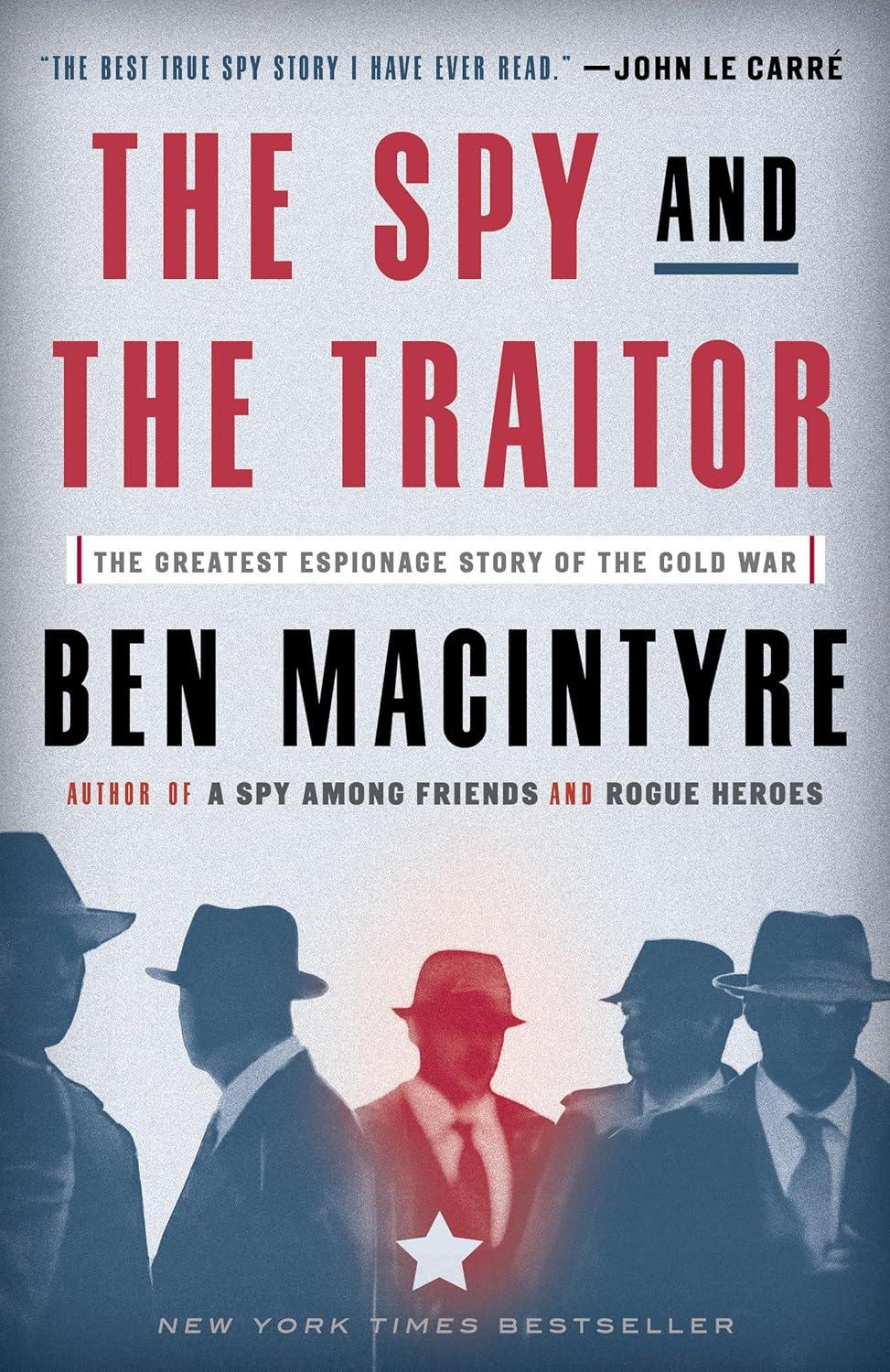
Welcome to our latest blog post, were we delve into the thrilling world of espionage with a review of “The Spy and the Traitor: The Greatest Espionage Story of the Cold War,” penned by the acclaimed author Ben Macintyre. As we cracked open the pages of this gripping narrative, we found ourselves entangled in the intricate web of loyalty, betrayal, and high-stakes intrigue that defined the twilight years of the Cold War.
This book introduces us to Oleg Gordievsky, a man whose life reads like an electrifying spy novel, yet every shocking detail is grounded in the reality of his experiences as a double agent. From his formative years as the son of KGB officers to his clandestine role working for MI6, Gordievsky’s journey is one of remarkable courage and conviction, shining a light on the paradoxes inherent in espionage.With Macintyre’s skillful storytelling, we were drawn into the intense personal conflicts and ancient upheavals that shaped an era, making it all the more compelling to consider this piece not just as a biography but as a pivotal commentary on trust and treachery during one of history’s most perilous times.
Join us as we explore the layers of Macintyre’s narrative, scrutinize the conflict of ideologies, and reflect on the remarkable legacy of Gordievsky. We’ll uncover what makes this story not only a bestseller but also a standout in the genre of true crime and espionage literature. So, let’s dive into what we learned from “The Spy and The Traitor” and why we believe it deserves a prominent place on your bookshelf.
Table of Contents
our Journey into the Intrigue of the Spy and the Traitor

Our journey into the intrigue of The Spy and the Traitor: the greatest Espionage Story of the Cold War has been nothing short of captivating. This book throws us headlong into the world of espionage during one of the most tense periods in history.Oleg gordievsky, the protagonist, nearly feels like a character out of a novel by John le Carré, yet every twist and turn in his story is rooted in real-life events and meticulously documented history. With a background that ties him deeply to the KGB, we marvel at how a man raised to serve a regime could come to betray it so profoundly.
The journey of Oleg Gordievsky unfolds against the backdrop of notable historical events-from the invasion of Hungary to the Berlin Wall and the crushing of the Prague Spring. Each moment feels weighty with the tension of a spy thriller, yet we see the advancement of a character who evolves beyond the bounds of loyalty and into the realm of moral conviction. His exposure to the west ignites a sense of freedom that deeply contrasts with the oppressive force of Soviet ideology.With each page, we find ourselves invested in his double life, anxiously awaiting how the stakes will rise as he maneuvers through the perilous world of intelligence.
What makes this account so compelling is Gordievsky’s profound influence on the Cold War dynamics. His role as a double agent meant that he didn’t just provide details; he offered insights that shaped diplomatic strategies between the West and the Soviet Union. Ben Macintyre crafts a rich narrative, pulling us into the depths of Gordievsky’s perilous journey while illuminating the broader implications of his actions. His escape from the USSR, carefully orchestrated by MI6, is a nail-biting tale that feels straight out of a cinematic thriller.
The intricacies of spy networks and the psychological toll of living a double life come alive through Macintyre’s storytelling. As readers, we gain an understanding of not just the operational methods of intelligence agencies but also the mental strain of constantly looking over one’s shoulder, weighing trust against deception. This account resonates with us on multiple levels, inviting reflection on loyalty, betrayal, and the moral complexities woven throughout the fabric of intelligence work.
Ultimately, our journey through Gordievsky’s life reveals not just the mechanics of espionage but the very human experiences at the heart of it. While it carries the elements of a thrilling spy novel, it also serves as a poignant reminder of the sacrifices made in the pursuit of ideologies and the personal costs involved. It’s a powerful narrative that stands tall in the annals of historical scholarship, and we can’t help but recommend it to anyone with a thirst for true stories that challenge the boundaries of trust and morality.
Exploring the Captivating Narrative and historical Context
The narrative of “The Spy and the Traitor” draws us into the heart of the Cold War, where tension, betrayal, and espionage collide in breathtaking fashion. From the very first page,we are introduced to Oleg Gordievsky,a KGB officer turned MI6 asset,whose life story unfolds like a gripping novel. The layers of his experiance provide a rare glimpse into the psyche of a double agent. The moral dilemmas he faces are palpable, creating an intimate portrait of his struggles as he navigates loyalties to family, country, and his conscience. We can’t help but feel drawn into the historical context, as Ben Macintyre paints a rich tableau of the geopolitical landscape that shapes Gordievsky’s choices.
We see the ramifications of significant historical events through Gordievsky’s viewpoint, such as the crushing of the Prague Spring and the Berlin Wall’s rise. These aren’t just backdrops; they shape the evolution of a man from a loyal Soviet citizen to a defector helping to write a chapter in history that would change the course of the cold War. Macintyre’s storytelling captures the gravity of these events while maintaining a smart, fast-paced narrative, making it easy for us to stay engaged. It’s genuinely interesting how the author weaves in the psychological impacts of espionage-long periods of mundane routine juxtaposed with moments of intense danger, crafting a tale that hooks and informs simultaneously.
The historical context that surrounds gordievsky does more than enhance the narrative; it gives it depth.As we learn about the nuances of espionage and the failure of both the CIA and KGB to grasp the human elements in spycraft, we’re reminded of the complex motivations that drive intelligence activities. These insights create a unique understanding of the paranoia that gripped Soviet leadership while alerting us to the stakes at play. Gordievsky’s warnings about the Soviet mindset underscore the importance of nuance in international relations, reminding us how vital it was for leaders like Reagan and Thatcher to navigate these treacherous waters thoughtfully.
While “The Spy and the Traitor” offers an engaging narrative packed with suspense, it also prompts us to reflect on the moral implications of betrayal. Macintyre balances Gordievsky’s heroics with the sobering reality that his defection came at a significant personal cost.It’s a testament to the author’s skill that we emerge from the book not just entertained, but equipped with a deeper understanding of the Cold War’s complexities. With every page, we find ourselves torn between admiration for Gordievsky’s bravery and an unsettling recognition of the personal sacrifices he made-a duality that makes this story resonate long after we’ve turned the final page.the historical and narrative context provided in this enthralling book invites us to reflect on the broader implications of espionage and the choices that define human experience against the backdrop of war. Macintyre’s masterful storytelling compels us to consider the weight of loyalty and the essence of freedom in the tumultuous world of international intrigue. As we close the book, we can’t help but appreciate the intricate layers of history, morality, and humanity that make this narrative not just a great read, but an indispensable addition to our understanding of the Cold War era.
Unpacking Character Development and Plot Twists
in “The Spy and the Traitor” reveals an intricate web of motivations, morality, and emotional stakes. The book not only presents Oleg Gordievsky as a KGB officer but also unveils the deeply personal conflicts that propel him into a world of espionage. each character is crafted with nuance, providing insight into their struggles, fears, and loyalties. Gordievsky’s journey from a devoted KGB agent to a double agent for MI6 is rife with intense moral dilemmas. We can’t help but feel sympathy and bewilderment at his choices, as the author deftly explores the toll his spy life takes on his personal relationships. this depth of character is what sets the narrative apart from many others in the genre.
As we follow Gordievsky, we encounter plot twists that are just as surprising as they are impactful. The stakes are high, and every revelation sends ripples through the lives of the characters involved. One moment, we’re resting in the comfort of a mundane office setting, and the next, we’re grappling with the frenetic energy of a spy’s life filled with danger and deception. These twists keep us on our toes, blending the historical context with thrilling narrative developments. As if we were part of the story ourselves, we experience the tension of betrayal and the exhilaration of clandestine meetings, all meticulously detailed by Ben Macintyre.
Moreover,the psychological exploration of Gordievsky’s character lends an emotional weight to the plot’s twists. The suspense doesn’t merely stem from external dangers; it also arises from the internal conflict within Gordievsky. The constant paranoia-who to trust, who to deceive-creates a gripping atmosphere. We witness how the strain of being a double agent gnaws at his conscience, resulting in moments of vulnerability that resonate with us. This balance of personal reflection against high-stakes espionage reveals a rich tapestry of human experience amidst the broader geopolitical conflict of the Cold War.
in sum, the character development and plot twists in “The Spy and the Traitor” create a remarkable reading experience. The narrative not only draws us into the thrilling world of espionage but also provides a profound look into the moral complexities of loyalty and betrayal. the book leaves us pondering the choices made in the name of duty and the personal costs of those choices.Such layered storytelling is a testament to Macintyre’s skill in crafting a tale that’s both riveting and thought-provoking.
Our Insights on Writing Style and Pacing
When we dive into “The Spy and the Traitor,” we’re immediately hit by the author’s knack for storytelling. Ben Macintyre crafts this clever narrative with a fantastic blend of tension and clarity, making it easy to follow while keeping us engaged. From the very first page, the pacing strikes us as energetic and film-like. Every chapter unfolds like a thrilling episode,and often,we find ourselves voicing our disbelief at the audacity of the events. The way Macintyre presents Oleg Gordievsky’s life not only reads as a fascinating historical account but also draws parallels to classic fiction. It’s a delicate balance he manages, and we love that.
As we move through the story, we can’t help but notice how the writing style varies to match the unfolding drama. In moments of high tension or impending danger, the sentences shorten and quicken, mirroring the frantic thoughts of a spy under pressure. This keeps us on the edge of our seats, almost as if we’re in the midst of a cat-and-mouse game ourselves. Conversely, when Macintyre reflects on Gordievsky’s past or motivations, the narrative slows, allowing us to ponder the deeper implications of his journey. This ebb and flow create a rhythm that feels organic, guiding us through the dualities of Gordievsky’s life-the mundane versus the extraordinary.
The author is skilled at building suspense, which makes the stakes feel incredibly high. We found ourselves increasingly invested in Gordievsky’s fate. It’s not just about facts or timelines; it’s about the complexities of human emotion and ethical dilemmas faced by spies. Macintyre laments the personal costs of Gordievsky’s choices-his broken marriage, the strain on familial relationships-juxtaposed against the greater historical impact of his defection.This duality adds layers to the narrative, making us reflect on what it means to serve a cause, and the moral choices one must confront in the name of loyalty versus truth.
we also appreciate how Macintyre’s style stays conversational, making the book accessible even to readers unfamiliar with the intricate world of espionage. He deftly incorporates historical elements, providing context without overwhelming us with jargon. Readers can savor the narrative at their own pace, with Macintyre inviting us into the story rather than demanding our full attention at every turn. It’s an engaging approach that allows us to absorb complex themes while keeping us entertained-a true win for any historical narrative.
the masterful pacing and relatable writing style of “The Spy and the Traitor” ensure that we’re not just passive readers; we are participants in the unfolding drama. Macintyre has a way of blending fact with an engaging narrative in such a thoughtful manner that we’d recommend this book to anyone looking for a gripping read. The layers of emotional depth and historical context contribute to a truly memorable experience, making us excited to keep reading long into the night.
Final Thoughts and Recommendations for Future Readers
As we wrap up our thoughts on “The Spy and the Traitor,” we can’t help but appreciate the intricate storytelling that Ben Macintyre has crafted. This book isn’t just an account of espionage; it’s a riveting narrative that pulls us into the shadows of the Cold War. The spy thriller feels almost cinematic at times, with moments of suspense that keep us on the edge of our seats. We found ourselves deeply invested in Oleg Gordievsky’s experiences, his struggles, and his journey from a loyal KGB officer to a pivotal double agent for the West.It’s a story where history and personal stakes intertwine, making it compelling for both history buffs and casual readers alike.
Macintyre excels in delicately balancing the thrilling aspects of Gordievsky’s spy missions with the profound moral implications of betrayal. We were notably struck by how extensively the narrative covers not only the external conflicts of the cold War but also the internal dilemmas faced by Gordievsky. His choices resonate on a personal level, illustrating the heavy toll that such a life can exact-not only on the individual but also on loved ones. The psychological depth added a rich layer to our understanding of espionage,making us reflect on loyalty,sacrifice,and the consequences of one’s actions.
For anyone intrigued by the complex interplay of intelligence and history, we wholeheartedly recommend delving into this book. Macintyre’s skillful prose makes it accessible,while the dramatic real-life events provide a thrilling experience.Whether you’re a seasoned reader of espionage literature or new to the genre, “The Spy and the Traitor” offers valuable insights and a gripping tale.It keeps us thinking long after we turn the last page,which is the hallmark of a truly extraordinary book.
if you’re looking for a captivating read that combines the excitement of a spy thriller with the weight of historical importance, this book is a must-have. The narrative not only entertains but also educates us, shedding light on the nuances of Cold War dynamics. Grab a copy for yourself and prepare for a journey through one of the most fascinating chapters of modern history. Ready to dive into this thrilling tale? Get it now on Amazon
Customer Reviews Analysis
Customer Reviews Analysis
in our quest to deliver an insightful review of The Spy and the Traitor: The Greatest Espionage Story of the Cold War, we dove deep into customer feedback from various readers.The response to the book has been overwhelmingly positive, showcasing not only the gripping narrative style of ben Macintyre but also the rich historical context surrounding Oleg Gordievsky’s life as a double agent.
Thematic strengths and Reader Insights
The customer reviews highlight several key strengths of the book:
- Engaging Storytelling: Many readers comment on how the book reads like a thrilling novel. One review states, “What is incredible about this true-life spy story is that you can read it like a classic novel, as it never slows its pace.” This speaks to Macintyre’s ability to blend fact with captivating storytelling.
- In-Depth Historical Context: Reviewers appreciate the nuanced exploration of cold war espionage, noting it as both informative and entertaining. As one reader mentioned, the book combines “a dramatic spy story” with a “real thriller” that informs about historical methods of spying.
- Complex Characterization: Readers find Gordievsky to be a relatable and likable figure, making the stakes personal. The portrayal of his struggles as a double agent resonates deeply, making it more than just a historical account but a human story filled with moral dilemmas.
Comparative Reflections
Several reviews draw comparisons between the British and Soviet intelligence services as depicted in the book. One reader noted the distinct differences in methods and motivations, stating, “The Soviets had, by far, the largest espionage network in the world, but the British had the best.” This not only adds depth to the narrative but also invites readers to reflect on the broader implications of these approaches.
Reader Engagement and Overall Impression
Our analysis indicates readers feel a strong emotional connection to the story and characters. Comments like,”I was (almost) on the edge of my seat as each twist and turn happened,” illustrate how the book keeps readers engaged throughout. One individual emphatically stated, “I remember it as if I was watching a TV series,” showcasing how vividly the narrative has stayed with them long after finishing the book.
Table of Key Customer Sentiments
| Aspect | Customer Sentiment |
|---|---|
| Storytelling | “Reads like a classic novel; truly captivating!” |
| Historical Insight | “Dramatic and informative; a must-read about cold-war espionage.” |
| Character Depth | “Gordievsky is a relatable hero with moral complexities.” |
| Emotional Impact | “I felt the tension and was on the edge of my seat!” |
our review of customer feedback reveals that The Spy and the Traitor not only entertains but also educates its readers. With its blend of thrilling narrative, complex characters, and rich historical context, it’s no wonder that this book has deeply resonated with those who have explored its pages. We highly recommend it for anyone interested in espionage, history, and human psychology.
Pros & Cons
Pros & Cons
| Pros | Cons |
|---|---|
|
|
Q&A
Q&A Section for “”
Q1: What is the main focus of “The Spy and the traitor”?
A: “the Spy and the Traitor” centers on the life of oleg Gordievsky, a KGB agent who became one of the most significant spies for British intelligence during the Cold war. The narrative explores his journey from being a loyal Soviet operative to becoming disillusioned with communism, ultimately risking everything to provide crucial intelligence to MI6, which played a pivotal role in altering the dynamics of East-West relations.
Q2: How well is the book written?
A: Ben Macintyre’s writing is engaging and meticulous. He combines thorough research with a storytelling flair, making the complex world of espionage accessible and thrilling.His knack for detail brings the high-stakes nature of espionage to life, immersing us in the tension and drama of the cold War era.
Q3: Is the book based on actual events?
A: Yes, absolutely! “The Spy and the Traitor” recounts true events, drawing on gordievsky’s experiences, declassified intelligence files, and extensive interviews. This authenticity gives the story its gripping nature and makes it a standout in the genre of nonfiction espionage narratives.
Q4: Can readers who aren’t familiar with Cold War history enjoy this book?
A: Certainly! While readers with a background in Cold war history may appreciate the nuanced insights, Macintyre’s storytelling is compelling enough to engage those new to the subject. He provides context and background without overwhelming readers, allowing everyone to grasp the stakes involved in Gordievsky’s espionage.
Q5: What themes are explored in the book?
A: The book delves into several profound themes including loyalty and betrayal, the moral complexities of espionage, and the personal versus professional conflicts that arise in such high-pressure situations. It also highlights Gordievsky’s internal struggle against a regime he increasingly saw as oppressive, showcasing the human element behind the intelligence operations.
Q6: Why is Gordievsky’s story considered significant?
A: Gordievsky’s actions not only provided vital intelligence that shaped Western policy and understanding of the Soviet Union, but his escape from Moscow also serves as a dramatic testament to the risks that spies take. His duplicity helped to shift the balance during a tense period, making his story essential for understanding intelligence history and Cold War dynamics.
Q7: How does this book compare to other espionage works, like those by John le Carré?
A: many readers and critics have drawn parallels between “The Spy and the Traitor” and the novels of John le Carré, particularly in terms of character depth and psychological complexity. While le Carré’s works are fictional, Macintyre’s narrative provides a real-life account that mirrors the intricate plots and moral dilemmas presented in le carré’s stories. Critics have even described it as “the best true spy story” read, which speaks volumes about its immersive and captivating nature.
Q8: Would you recommend this book to someone looking for a thrilling read?
A: Without a doubt! If you’re in search of a suspenseful narrative filled with intrigue, danger, and historical significance, “The Spy and the Traitor” is an excellent choice. It’s not just for espionage enthusiasts; anyone who enjoys a well-crafted story with high stakes will find this book absorbing.
Q9: What is the length of the book, and how is its pacing?
A: The book is approximately 384 pages long. We found the pacing to be brisk and dynamic,with each chapter propelling us deeper into the intrigue and tension of Gordievsky’s life. Macintyre expertly balances action with thoughtful reflection, ensuring readers remain engaged throughout.
Q10: Is ther anything else we should know before reading?
A: Just be prepared for a journey that intertwines historical facts with emotional depth. “The Spy and the Traitor” is as much a tale of personal conviction and heroism as it is about espionage. Make sure to keep an eye out for the intriguing cast of characters that play significant roles in gordievsky’s story, as they add further layers to this gripping narrative.
embrace a New Era
As we close the chapter on our exploration of “the Spy and the Traitor,” it’s clear that Ben Macintyre has crafted not just an exceptional account of espionage, but a gripping narrative that pulls us into the very essence of the Cold War. The life of Oleg Gordievsky is interwoven with themes of loyalty, betrayal, and the high stakes of international intrigue, making it a must-read for anyone fascinated by history, politics, or the art of spying.
We hope our review has piqued your interest in this remarkable story. Whether you’re a seasoned espionage enthusiast or just embarking on your journey through the shadowy world of spies, Gordievsky’s tale is sure to leave you on the edge of your seat.
don’t miss out on this captivating read-dive into “The spy and the Traitor” and discover how one man’s courage changed the course of history.To grab your copy now,simply click the link below and add it to your collection:
Thank you for joining us today, and happy reading!