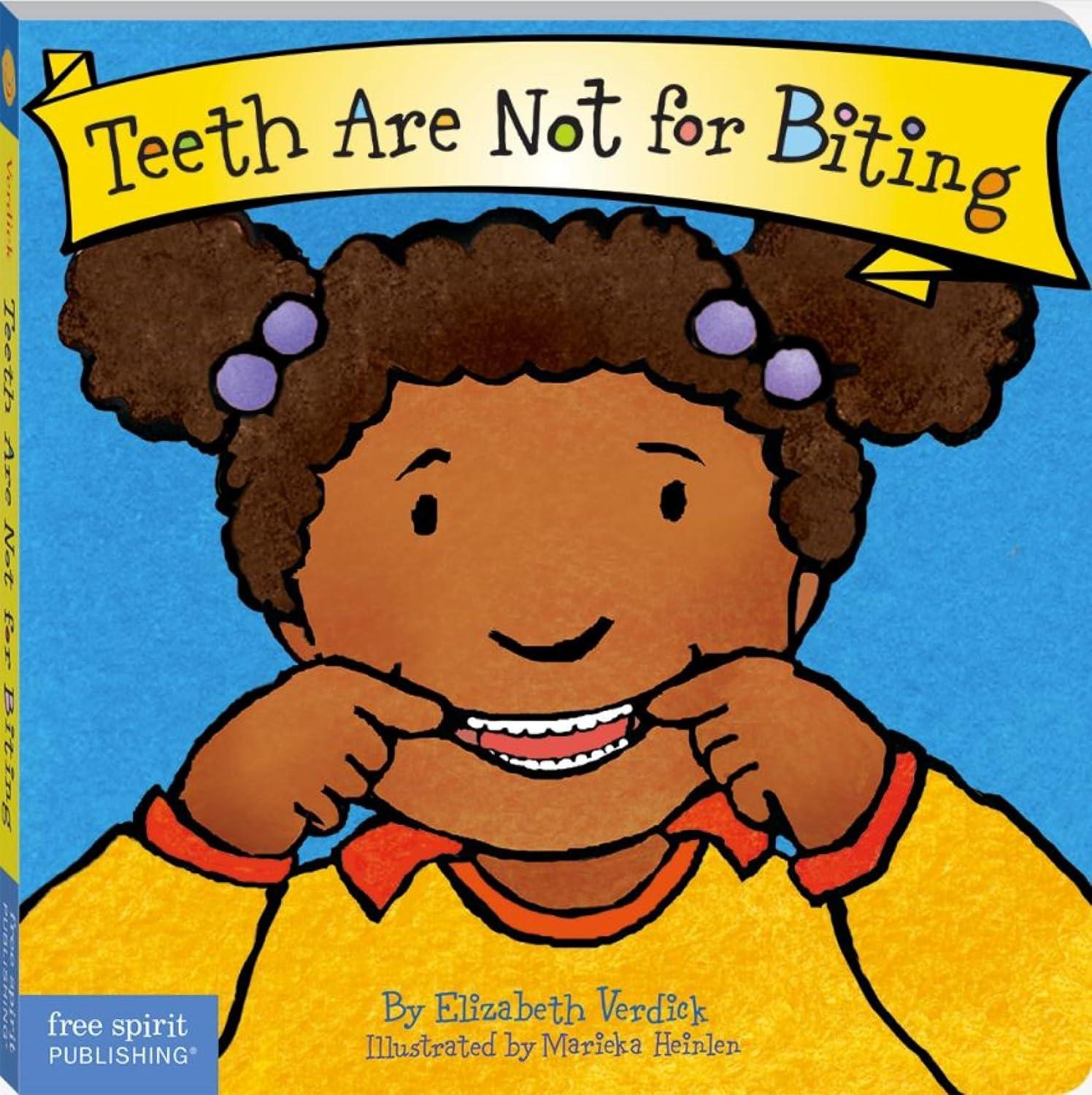
Welcome to our latest product review,where we dive into a must-have addition for any parent or caregiver’s bookshelf: “Teeth Are Not for Biting,” a delightful board book by Elizabeth Verdick. We all know that children go through phases, and one particularly troubling phase is when they resort to biting. It’s a behavior that can leave both child and caregiver feeling frustrated and at a loss. Luckily, this cheerful and colorful book offers an engaging way to address this common challenge. Packed with lively illustrations and simple, relatable language, it guides our little ones away from biting and towards positive alternatives.
In our exploration of this cheerful read, we’ll share our firsthand experience of how it has been a valuable tool in teaching children why biting isn’t okay and what they can do instead. With insights for both parents and kids, let’s uncover how “Teeth Are Not for Biting” can not only prevent those painful pinches but also foster a deeper understanding of emotions and self-regulation in our little ones. Join us as we engage with this charming resource and see if it lives up to the hype!
Table of Contents
Exploring the charm of Teeth Are Not for Biting Board Book

Exploring the charm of “Teeth Are Not for Biting” reveals just how vital this board book can be for toddlers-and their parents too. As parents ourselves, we know that biting is a common developmental phase that can throw everyone into a bit of chaos.With vibrant illustrations and simple yet impactful text, this book does an excellent job of helping little ones understand why biting isn’t okay, and what they can do instead. Trust us, seeing the colorful pages filled with relatable scenarios helps children grasp these crucial lessons much easier.
One of the fascinating aspects of this book is how it tackles the emotions behind biting. weather kids are feeling frustrated, hungry, or overwhelmed, the book resonates with their experiences while also guiding them towards alternative behaviors. For us, it was a comfort knowing that these relatable contexts are addressed. Each reading can spark conversations about feelings that are so crucial for emotional development, allowing our little ones to express themselves without resorting to biting. Plus, the engaging narration keeps kids hooked, making them want to read again and again.
We absolutely love how the book emphasizes the message that teeth are for smiling and eating-not for hurting others. This fundamental distinction is presented in a way that’s clear and memorable. The repetitive structure helps strengthen the message too, which is critical for toddlers who thrive on routine and familiarity. As we read it with our children,we could see their understanding of the implications behind biting slowly sink in. We found ourselves smiling and laughing together, reinforcing positive associations around reading and learning.
The back section of the book, which includes tips for parents, is a wonderful addition.It’s like having a mini-guide on hand! This section reassures parents that they are not alone in dealing with these challenges. From coping strategies to redirecting behaviors, we felt empowered by this inclusion. Knowing we have the tools to help our children navigate tough moments gave us peace of mind during this phase that can often feel overwhelming.
“Teeth Are Not for Biting” is an invaluable resource that we believe belongs on every parenting shelf. It’s simple, effective, and packed with charm. Introducing this book into our routine made such a difference for our family, and we hope it can do the same for yours! Find out more or make a purchase below to join us in exploring its delightful contents.
Unpacking the Unique Features that Make This Book Stand Out

When we dive into “Teeth Are not for Biting,” we see why this board book quickly became a favorite for so many families.The emphasis on positive behavior over punitive measures is refreshing. Instead of simply saying “don’t bite,” the book engages little ones by explaining the reasons behind this behavior. It discusses how sometimes children bite when they’re frustrated, tired, or seeking attention. by acknowledging these feelings, it resonates with both kids and parents, making it relatable and effective.
The illustrations are another huge selling point. They’re lively and colorful, capturing our toddlers’ attention while keeping the message clear.Each page beautifully balances simplicity with vibrancy, perfect for young eyes and developing minds. The clear expression on the faces of the characters helps kids understand emotions too, which is a notable aspect we appreciate, especially for those with special needs.
Another standout feature is how it encourages alternative behaviors. Rather of just focusing on the negatives of biting, it presents various positive actions kids can take when they feel the urge. Suggestions like hugging, chewing on a toy, or even getting a drink provide practical outlets for our little ones, making it a handy tool in our parenting toolkit. This proactive approach helps children develop emotional intelligence and learn how to express themselves positively, which is crucial for their social interactions.
While the book primarily targets age 1-4, its themes are easily adaptable. As our children grow, the fundamental lessons remain relevant, especially during phases when biting or similar behaviors may resurface. Plus, the added resources for parents in the back provide wise insights into managing the biting behavior together, reinforcing the book’s value beyond just reading time.
In a chaotic world of parenting, having a resource like this is a lifesaver. It’s more than just a story; it’s a guide for children and parents alike. Understanding that teeth are for smiling, chewing, and not for biting helps create a positive atmosphere at home and in social spaces like daycare. This book not only delivers valuable lessons but also gives us the confidence to tackle these tricky toddler years with grace.
Diving Deeper: Our Experience with Engaging illustrations and Rhymes
When we first picked up Teeth Are Not for Biting, we were instantly struck by its vibrant illustrations and simple, engaging text. The book uses lively colors and relatable situations to grasp a young child’s attention. Luminous images of happy children reinforce the message, making it not just a book we read, but an experience our toddler thoroughly enjoyed. The visuals perfectly complement the rhyming text, which keeps the narrative flowing smoothly and helps little ones remember the crucial lessons.
As we read through the pages together,we noticed how well the rhythmic prose resonated with our child. The book expertly weaves in essential lessons about the consequences of biting while presenting alternatives in a playful manner. Each phrase is carefully crafted to be simple yet impactful, making it easy for even the youngest listeners to understand. The repetitive structure serves as a gentle reminder that biting isn’t acceptable while introducing positive behaviors that can replace that urge. Our son responded remarkably well to this format, eagerly anticipating the next lines each time we opened it.
Through our experience,it became clear that the book’s illustrations played a vital role in conveying emotions. When we read about the child who gets bitten, the expressions on their face clearly depict distress. This helped us engage our son further, as we paused to discuss how that character might feel and what to do rather. The effective use of images ensured that important lessons weren’t just words but reflected real emotions, fostering empathy in a way that a more abstract approach would struggle to achieve.
Thanks to this relatable and interactive storytelling, we noticed a significant shift in behavior shortly after we started reading the book consistently. Each reading session turned into a fun activity where we would laugh, smile, and even enact the lessons presented. Instead of simply telling our son not to bite, we now had a shared experience that helped him internalize the message, making it much more effective. This delightful combination of illustrations and rhymes fostered a connection between the story and our daily lives, demonstrating the book’s power as an educational tool.
the engaging format of Teeth Are Not for Biting has made it an instant favorite in our household.The book is not just informative but also a joy to explore together. with its bright visuals and rhythmic text, it captivates our child’s attention and encourages positive behavior changes. If you’re navigating the biting stage with your little one, this book is a fantastic resource that can make learning both fun and effective.
Sharing Insights: What We Loved and What Could Be improved

When we first picked up “Teeth Are Not for Biting,” we were hopeful that it would help our little one understand why biting isn’t okay. The colorful illustrations and simple yet engaging text immediately caught our attention. The layout is perfect for young kids. The messages are supportive and relatable, touching on feelings that can lead to biting-like hunger, tiredness, or frustration. We appreciate how it opens a conversation about these common toddler experiences, and it regularly reinforces the idea that “biting hurts.” This repetition was key for our child, making the lessons easy to grasp.
We loved the practical alternatives presented in the book. Rather of just saying, “No biting,” it offers positive things for little ones to try instead, like using a chewy toy, asking for a hug, or telling an adult when they’re upset. These strategies not only teach kids what not to do but also give them tools they can use moving forward. Having a book like this made it easier for us to have consistent discussions about the behavior.It served as a great tool to reinforce our nightly chats about biting and how it can make others feel.Though, there could be a few areas for advancement. While many kids may find the book engaging, some might not respond as strongly to the illustrations or charm. A more dynamic storytelling approach could draw in those who are less captivated by basic visuals. Additionally, while the book mentions biting in the context of teething, some sections might not fully resonate with older toddlers. It might be nice to see content that addresses a broader age range or provides more specific scenarios that kids may encounter.
“teeth Are Not for Biting” has been a fantastic resource for our family. It beautifully balances entertainment and education, all while addressing a behavior that parents often find challenging. The practical guidance and supportive narrative truly make a difference for both kids and parents navigating this phase. For anyone dealing with biting at home, this book is definately worth introducing into your routine-it’s been a game changer for us!
Final Thoughts and Recommendations for Future Readers

We can’t emphasize enough how much “Teeth Are Not for Biting” has made a difference in our experience with biting behaviors in toddlers. This board book isn’t just a simple read; it serves as an essential tool for parents and caregivers who are facing the challenging phase of biting. the catchy phrases and delightful illustrations really capture our little ones’ attention and keep them engaged. The strategy of clearly defining what teeth are for-like smiling and eating, rather than biting-is incredibly effective. It resonates with children, allowing them to easily grasp the message.
Having read this book multiple times, we noticed our child started to internalize the lesson quickly. The repetition of phrases such as “Biting hurts” reinforces the concept without being overly punitive. This is crucial when talking to younger children who are still learning about their actions and consequences. The book also offers practical alternatives, like giving hugs instead of biting when feeling upset. It’s refreshing to see positive behavior promoted in a fun and relatable way.
For anyone dealing with biting at home or in daycare, we wholeheartedly recommend adding this book to your collection. The age-appropriate content and vibrant artwork engage young readers, making it far from a chore to read. It turns learning into a game, and suddenly, we found ourselves using phrases from the book to communicate the rules of touching and sharing with others. It’s a smart approach, as it keeps the learning process light and enjoyable, rather than heavy-handed.
This book is not just beneficial for kids; it also provides valuable advice for parents. The back contains additional resources and tips to tackle biting behaviors, which we found immensely helpful while navigating the rules of our daycare’s strict policies. we believe this book is a must-have for those in the throes of toddler turmoil. It helped us turn what felt like an overwhelming situation into a manageable one. We can confidently say that anyone experiencing a similar struggle will find hope and guidance through this delightful book.
Customer Reviews Analysis

Customer Reviews Analysis
In our quest to explore “Teeth Are Not for Biting,” we sifted through a variety of customer reviews and discovered a pattern of unifying experiences among parents navigating the tricky phase of toddler biting. The overarching sentiment reveals that this board book not only communicates the crucial message that biting is wrong, but it also serves as a practical tool to help parents manage and mitigate this behavior.
Key Themes from Customer Reviews
| Theme | Description |
|---|---|
| Effective Messaging | Parents appreciate the straightforward and repetitive language that ensures the message “teeth are not for biting” is understood. |
| Engagement | Many reviewers noted how engaging the illustrations are for toddlers,making it easier to hold their attention during readings. |
| Behavior Modification | Several parents shared success stories of their children reducing or stopping biting behaviors after regular reading sessions. |
| Support for Special Needs | The book is highlighted as a valuable resource for children with sensory processing issues, aiding in the understanding of emotional triggers for biting. |
| Community of parents | A shared sense of relief and encouragement among parents who feel supported in their journey of parenting through tough phases. |
Individual experiences
Many detailed accounts expressed relief and gratitude for the book. One parent shared their anxiety during a tumultuous time, highlighting how the book became a cornerstone in their strategy to communicate the importance of not biting. The consistent interaction that the book promotes-between parent and child-establishes a reliable routine that children can recognize and affirm.
Another parent reflected on using the book as part of a broader approach to support their child with sensory issues, indicating that the themes addressed not only helped with behavior but also with understanding emotions and responses to discomfort.
Some customers even found that the simple format of the book allowed them to adapt its messages into everyday parenting strategies, making it a versatile tool that complements their parenting style. Many first-time readers were surprised by how much their toddlers connected with the book, reinforcing the effectiveness of repetition in educational materials.
Conclusion
the customer reviews for “Teeth Are Not for Biting” demonstrate that this board book is more than just a reading experience; it is a vital aid in approaching behavioral challenges with toddlers. With its clear messaging, engaging illustrations, and the ability to foster meaningful dialog, this book stands out as a must-have for parents navigating the complexities of early childhood development.
Pros & Cons

Pros & Cons of “Teeth Are Not for Biting (Board Book)”
| Pros | Cons |
|---|---|
| Engaging and colorful illustrations capture young readers’ attention. | Limited text may not hold the interest of older toddlers. |
| Offers practical alternatives to biting, guiding behavior positively. | Some parents may find the age range (1-3 years) too restrictive. |
| Durable board book format withstands rough handling by young children. | The simple storyline might not provide enough depth for some readers. |
| Part of the well-regarded Best Behavior® series which supports social-emotional learning. | Focus is primarily on biting; parents may need additional resources for broader behavioral issues. |
| Helpful tips for caregivers included,making it a valuable resource. | may not appeal to all children; individual preferences vary greatly. |
we believe that “Teeth Are Not for Biting” serves as a practical guide for young children navigating the challenges of biting behavior, while also being a fun and engaging read for both kids and adults alike.
Q&A

Q&A Section for “Teeth Are Not for Biting (Board Book)”
Q1: What age group is “Teeth Are Not for Biting” suitable for?
A1: This delightful board book is designed for young children aged 1 to 4 years.Its sturdy pages are perfect for little hands, ensuring that even the most excited readers can enjoy it without fear of tearing.
Q2: How does the book address the issue of biting?
A2: The book offers a positive and pleasant approach to the common behavior of biting. It explains potential reasons why children might bite-like feeling sore from teething or feeling cranky. Most importantly, it provides alternative solutions, encouraging kids to choose healthier ways to express their feelings, such as using a chewy toy, getting a hug, or sharing their emotions with an adult.
Q3: Are the illustrations engaging for children?
A3: Absolutely! The book features lively, full-color illustrations that are designed to capture the attention of very young readers. The visuals support the text and add an element of fun, making the learning experience more enjoyable.
Q4: Does the book include advice for parents and caregivers?
A4: Yes, it does! Along with the engaging story for children, “Teeth Are Not for Biting” contains helpful tips for parents and caregivers. these tips can assist them in addressing biting in a constructive way and facilitating conversations with their little ones about expressing emotions.
Q5: Is this book part of a larger series?
A5: Yes, this book is part of the Best Behavior® series published by Free Spirit. This series aims to equip children with the tools they need to navigate their behavior and emotions positively. Other titles in the series also tackle various social and emotional challenges that children face.
Q6: What makes this book stand out among other children’s books?
A6: Its unique combination of an engaging narrative, practical advice for caregivers, and colorful illustrations makes it a standout choice. “Teeth Are Not for Biting” addresses a common issue in a friendly manner while providing positive solutions, promoting emotional intelligence and social skills from a young age.
Q7: Can this book be beneficial in educational settings?
A7: Definitely! Teachers and caregivers love incorporating “Teeth Are Not for Biting” into their classrooms or childcare settings. Its straightforward approach to behavioral issues and emotional expression makes it a valuable resource for educational environments, helping to foster discussions about feelings and appropriate behaviors.
Q8: Where can I purchase “teeth Are Not for Biting”?
A8: You can find “teeth Are Not for Biting” at various retailers, both online and in physical stores.It’s usually available through major booksellers, educational supply stores, and directly from the publisher, Free spirit Publishing. Be sure to check for the board book edition for the best experience with your little ones!
We hope this Q&A has answered your questions about “Teeth are Not for Biting” and its benefits for both children and parents. If you have more inquiries or need further information, feel free to ask!
Unlock Your Potential

As we wrap up our exploration of “Teeth Are Not for Biting,” we can confidently say this board book is a delightful addition to any child’s library. Its vibrant illustrations and simple yet effective messages not only capture the attention of our little ones but also equip them with the tools they need to express their feelings in healthy ways. By addressing a common childhood challenge with empathy and humor, Elizabeth Verdick has created a resource that parents and caregivers alike will appreciate.
This book serves as a reminder that while biting may be a natural reaction in young children, there are always better alternatives to express their needs and emotions. We believe that fostering such positive behaviors from an early age is essential in guiding our children to navigate their feelings and interactions effectively.
if you’re on the lookout for a fun,engaging,and educational book for your toddler or preschooler,we wholeheartedly recommend “Teeth are Not for Biting.” Let’s instill kindness and understanding in our children, one read at a time!
Discover the benefits of this board book for your family today. Click hear to grab your copy and start the journey towards positive behavior: Teeth are Not for Biting (Board Book).